Feb 5, 2026
The Essential Guide to Bird Netting in Pune: Protecting Your Space
Introduction to Bird Netting
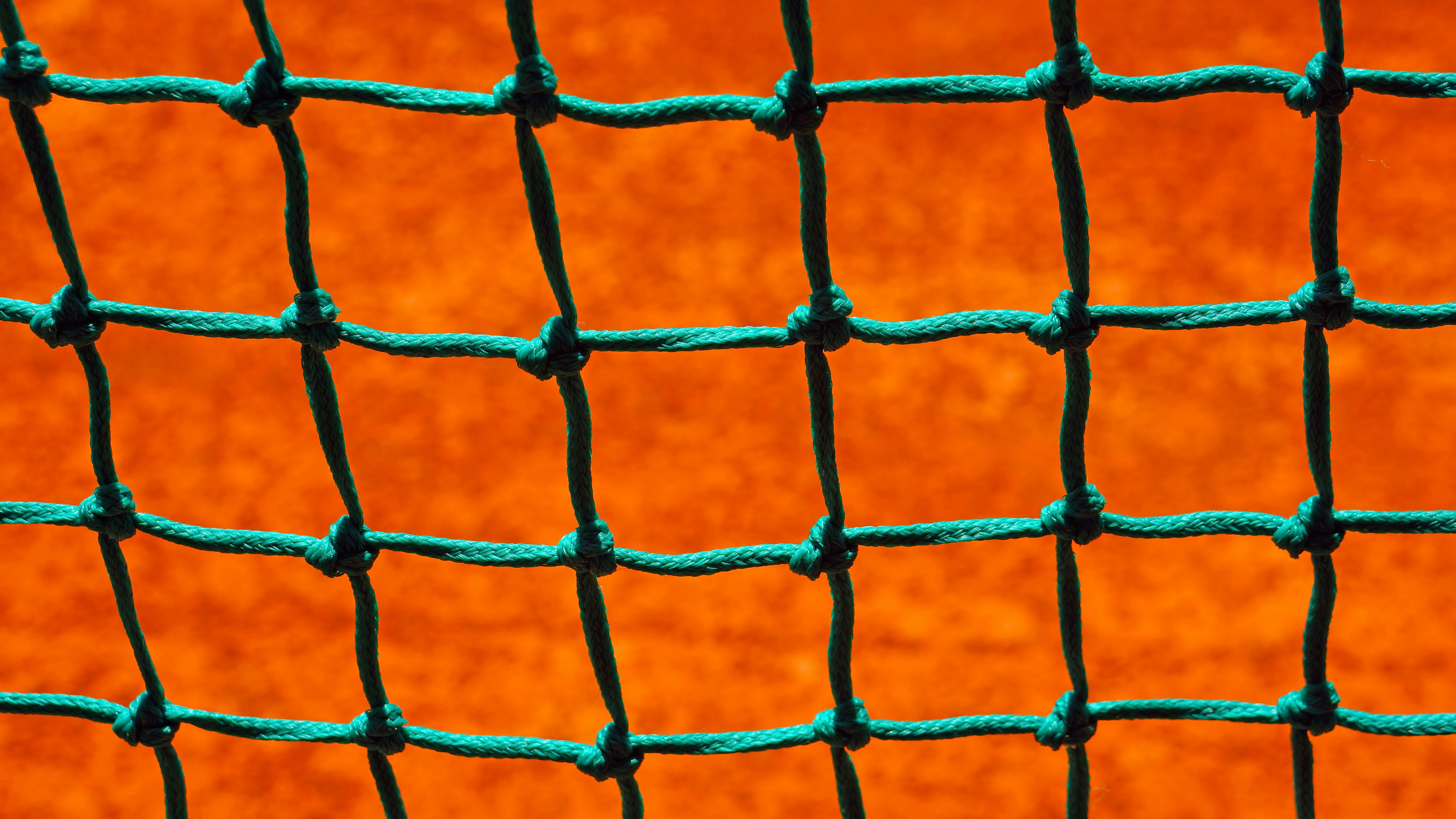
Bird netting is a practical and effective solution used to manage bird-related issues in various environments. It consists of a mesh netting, typically made from durable materials, designed specifically to deter birds from entering certain spaces. This protective barrier helps prevent birds from nesting, roosting, and foraging where they are not welcomed.
As urban areas like Pune continue to expand, the challenges posed by various bird species are becoming increasingly pronounced. In cities, birds often seek out cozy spots on building ledges, rooftops, and balconies, potentially leading to significant inconveniences. Their presence can cause damage to structures and can lead to serious hygiene concerns due to the droppings they leave behind. Consequently, the need for bird netting has emerged as a necessary intervention for residents and business owners alike.
The primary purpose of bird netting is to provide a humane solution to avoid conflicts between birds and humans. By installing bird netting, property owners can effectively protect their space from the adverse effects of bird activity. This solution has gained popularity not only in residential settings but also in commercial properties, agricultural sites, and public institutions. In agricultural contexts, bird netting serves a vital role in safeguarding crops from birds that may feed on fruits and vegetables, thereby preserving yield and quality.
Moreover, with Pune’s growing urban population, the urge to maintain a clean and safe environment has prompted many to consider bird netting. It is essential to address this issue proactively, ensuring that both the interests of humans and birds are respected. By understanding bird netting’s role and benefits, urban inhabitants can make informed decisions to protect their environments while being mindful of local wildlife.
Common Bird Species in Pune
Pune, nestled in the Western Ghats of India, is home to a diverse array of bird species, each exhibiting unique behaviors and adaptations. Among the most prevalent species are the Indian Pigeon, House Sparrow, and mynas, which are often seen in urban and rural areas alike. These birds, while beautiful and charismatic, can sometimes pose significant challenges to property owners and agriculture.
The Indian Pigeon, for instance, is frequently found in residential areas searching for easy food sources, particularly from gardens and urban litter. Their droppings can accumulate rapidly and lead to health hazards, structural damages, and aesthetic concerns in homes and commercial settings. Additionally, their nesting habits can create inconvenient blockages and cleanliness issues as they tend to settle in eaves, balconies, and similar spaces.
Similarly, House Sparrows are social birds that thrive in human habitats, often invading homes in search of food. Though they generally play a role in pest control by feeding on smaller insects, their population density can result in significant annoyance and property damage. Their presence often leads to an increase in noise levels, and like pigeons, they can contribute to unsightly droppings that necessitate regular cleaning efforts.
Mynas, particularly the Common Myna, are also widely recognized in Pune. They are known for their adaptability and can be found in numerous environments, including urban landscapes. Mynas can be particularly problematic for crop yields, as they feed on various seeds and fruits, leading to potential economic losses for local farmers. Understanding these behaviors helps highlight the need for effective bird management strategies.
It is essential for residents and property owners in Pune to recognize the importance of bird netting as a preventive measure. By actively managing bird populations and mitigating their impact on properties and crops, they can protect their space effectively while ensuring a balanced coexistence with Pune’s dynamic wildlife.
Benefits of Bird Netting
Bird netting offers a range of advantages, making it an effective solution for various situations, particularly in urban settings like Pune. One primary benefit is its role in protecting crops from bird damage. Numerous agricultural sectors rely on bird netting to safeguard fruits, vegetables, and other produce, ensuring that crops can thrive without the threat of being consumed by birds. In addition, this method allows farmers to maintain higher yields, crucial for sustenance and economic viability.
Furthermore, bird netting is instrumental in preventing property damage. Birds can cause significant harm by pecking at roofs, air-conditioning units, and outdoor furniture. Such actions can lead to costly repairs and maintenance issues. By installing bird netting, property owners can create a barrier that effectively deters birds from landing and nesting, thereby protecting their investments. This approach not only safeguards structures but also minimizes the need for more invasive pest control measures.
An additional advantage of bird netting is its contribution to maintaining a cleaner environment. Birds often leave droppings that can create unsanitary conditions. This not only affects the aesthetic appeal of outdoor spaces but can also pose health risks to humans. By preventing birds from accessing specific areas, bird netting helps keep public spaces, residential properties, and agricultural fields cleaner. In contrast to other deterrent methods such as traps or poisons, bird netting is a non-lethal option, aligning with humane pest management practices.
In essence, the implementation of bird netting is not merely a protective measure; it fosters a balanced ecosystem where both agricultural interests and urban environments can thrive. It allows for cooperation between natural wildlife and human activities, promoting coexistence rather than conflict.
Types of Bird Netting Materials
In Pune, the selection of bird netting materials is diverse, catering to various needs and preferences. The most common materials used include polyethylene, nylon, and wire, each with unique characteristics that make them suitable for specific applications.
Polyethylene netting is one of the most widely utilized options. It is lightweight, yet strong, which provides excellent resistance against harsh weather conditions. This type of netting is UV treated, ensuring a prolonged lifespan even when exposed to sunlight. Its flexibility allows for easy installation in various spaces, including balconies, gardens, and warehouses. Additionally, polyethylene netting is available in different mesh sizes, making it adaptable for different bird species, thereby preventing any unwanted occupancy.
Nylon bird netting, on the other hand, is known for its superior strength and durability. It is resistant to abrasion and can withstand significant tension, making it a favored choice for high-risk areas where birds are more prevalent. Although slightly heavier than polyethylene, nylon offers excellent protection due to its robust construction. This material is particularly useful for agricultural settings where crops need safeguarding against birds that may cause damage.
Wire netting is another material that provides a sturdy option for bird control. Often made of stainless steel, this type of netting is incredibly resilient and suitable for areas where structural support is necessary. Wire bird netting is less common for residential applications due to its rigidity but is invaluable in industrial or high-security environments. Its longevity and effectiveness make it a solid choice when choosing materials for comprehensive bird control solutions.
How to Choose the Right Bird Netting
When selecting bird netting, several factors must be considered to ensure that the chosen solution effectively meets your specific needs. One of the primary considerations is the mesh size. Smaller mesh sizes are preferable for preventing small birds and other wildlife from entering your space, while larger mesh may suffice for not-so-small pests. The ideal mesh size not only helps in keeping the birds out but also ensures that the netting does not impede air circulation or visibility, which is particularly important in both residential and commercial settings.
Material type is also critical when choosing bird netting. Common materials include polyethylene, which offers durability and strength, and nylon, known for its flexibility and lightweight properties. For urban environments like Pune, it is advisable to select UV-resistant nets to withstand the sun’s rays, especially if the installation is for long-term use. Additionally, weather-resistant materials can help maintain the integrity of the netting against the elements, ensuring long-lasting protection.
The installation method is another factor to consider. Bird netting can be secured in several ways, such as with anchors, ties, or netting clips, depending on your property’s architecture and the degree of permanence required. Commercial applications may necessitate a more robust installation method, while residential setups might allow for simpler solutions. It is also important to assess whether professional installation is needed, particularly for high or difficult-to-reach areas, to guarantee effectiveness and safety.
Ultimately, the choice of bird netting should align with your specific situation, whether it is for blocking out birds from your home, protecting a small garden, or safeguarding an expansive industrial area. For effective bird control, tailoring the netting choice to your environment is paramount.
Installation Guide for Bird Netting
Installing bird netting effectively is crucial to keeping unwanted birds at bay while ensuring the protection of your space. The installation process involves several steps, each contributing to the secure placement of the netting. Begin by measuring the area you wish to protect. Use a tape measure to determine the length and width of the space, taking into account any obstacles such as windows or balconies that may affect placement. Ensure you account for extra netting during your measurements to allow for overlaps.
Next, prepare the installation site. Clear any debris or items that could hinder the secure fitting of the netting. This may involve trimming back overgrown plants or removing temporary fixtures. A clean environment is essential for a successful installation. Before proceeding, gather all necessary materials, including the bird netting itself, anchors, fasteners, and tools such as scissors, a ladder, and zip ties or clips for fastening.
Following preparation, install the netting by first securing one end. It is advisable to attach the netting to a sturdy frame or anchoring point. For optimal results, use U-shaped stakes to pin down the fishing net or similar products designed specifically for this purpose. Make sure the netting is taut to avoid sagging, which could allow birds access. Continue along the perimeter, securing the netting at regular intervals. It is paramount to inspect your work frequently as you proceed to ensure that the netting remains tight and free of gaps.
Finally, upon completion of the installation, perform a thorough check. Walk around the entire area to identify any weaknesses in the netting that require adjustment or reinforcement. Ensuring the netting is securely fitted will significantly reduce the chances of bird entry and help maintain the integrity of your designated space.
Maintenance and Care for Bird Netting
Bird netting is an effective solution for keeping unwanted birds away from residential and commercial spaces. However, to ensure its longevity and functionality, regular maintenance and care are essential. This not only involves periodic cleaning but also routine inspections and timely repairs to prevent potential failures.
One of the primary aspects of maintaining bird netting is cleaning it regularly. Dust, leaves, and debris can accumulate over time, which may reduce the netting’s effectiveness. It is advisable to gently remove any visible dirt, using a soft broom or cloth to avoid damaging the material. For more stubborn stains or residues, utilizing a mild soap solution may be effective; simply wash it off with clean water afterwards. This cleaning process should ideally be done every few months or following severe weather conditions.
In addition to cleaning, periodic inspections should be conducted to ensure that the netting remains intact. Look for any signs of wear and tear, such as frayed edges, tears, or loose fittings. Regular checks will help identify problems early, facilitating prompt repairs before more significant damage occurs. Should any damage be found during these inspections, it is critical to address it immediately. Small tears can often be repaired using strong adhesive or repair tape designed for outdoor use, while larger holes may require the replacement of sections of the netting.
It is also crucial to monitor the conditions in which the netting is installed. Environmental factors such as exposure to sunlight, harsh weather, or nesting materials can impact its durability. To prolong the lifespan of bird netting, consider repositioning or reinforcing it if necessary. By adhering to these maintenance tips, property owners can ensure their bird netting remains an effective barrier, safeguarding their spaces from unwanted avian visitors.
Legal and Ethical Considerations
When implementing bird netting solutions, it is critical to understand the legal and ethical dimensions involved in such actions, particularly in India. The Indian Wildlife Protection Act of 1972 provides a comprehensive framework aimed at conserving various species of birds and their habitats. According to the provisions of this act, it is illegal to capture, kill, or harm native bird species. Therefore, any bird netting solution employed must not target protected species or result in their entrapment. Failure to comply with these regulations can result in significant legal repercussions.
In Pune, local authorities often impose additional regulations that may be specific to urban wildlife management. These laws are designed to ensure that any pest control measures, including bird netting, do not adversely affect the ecological balance. Thus, it is advisable for homeowners and businesses to consult with legal experts or local wildlife authorities before proceeding with net installation and management.
Beyond the legal framework, ethical considerations play a vital role in the application of bird netting. Implementing bird netting solutions should prioritize minimizing harm to birds while effectively protecting properties. Ethical practices encourage the use of non-lethal deterrents and consider alternative methods to manage bird populations without compromising their wellbeing or survival.
Moreover, community engagement is essential in matters relating to bird management. Educating the public about the importance of native bird species fosters a sense of responsibility towards wildlife conservation. Employing bird netting should be approached as a shared responsibility, where stakeholders collectively address urban wildlife challenges while aligning with ethical and legal standards.
In conclusion, being aware of and adhering to the legal requirements and ethical practices surrounding bird netting can lead to more sustainable and humane outcomes in protecting one’s space while respecting the natural environment.
Local Suppliers and Services in Pune
Finding reliable suppliers and installation services for bird netting in Pune is essential for ensuring effective protection against birds. Various local businesses specialize in bird netting installation, offering a variety of products and services to meet diverse needs. Here, we present a comprehensive list of recommended suppliers and services based in Pune.
1. ABC Netting Solutions – Known for their high-quality nets, ABC Netting Solutions provides a range of options including UV-protected nets and custom sizes. They offer installation services with trained professionals who ensure proper fitting of the nets to maximize efficiency. Customer reviews highlight their prompt service and affordability.
2. Bird Guard Pvt. Ltd. – This company specializes in bird control solutions, including extensive options for netting. Their nets are designed to withstand varying weather conditions, and they provide consultancy services to determine the best solution for specific spaces. Many customers appreciate their commitment to eco-friendly materials.
3. Pune Bird Netting Services – With a focus on residential and commercial properties, Pune Bird Netting Services is commended for their customer-centric approach. They offer a free consultation followed by a tailored proposal, allowing customers to make informed decisions. Positive feedback from clients often mentions their efficient installation process.
When selecting a bird netting provider, it is advisable to compare the product offerings, installation services, and customer feedback. Look for suppliers who provide guarantees on their work and products. Additionally, checking for reviews online can help gauge the reliability and reputation of the service provider. Ultimately, investing time in choosing the right local supplier ensures effective bird control while protecting your space in Pune.
More Details