Dec 15, 2025
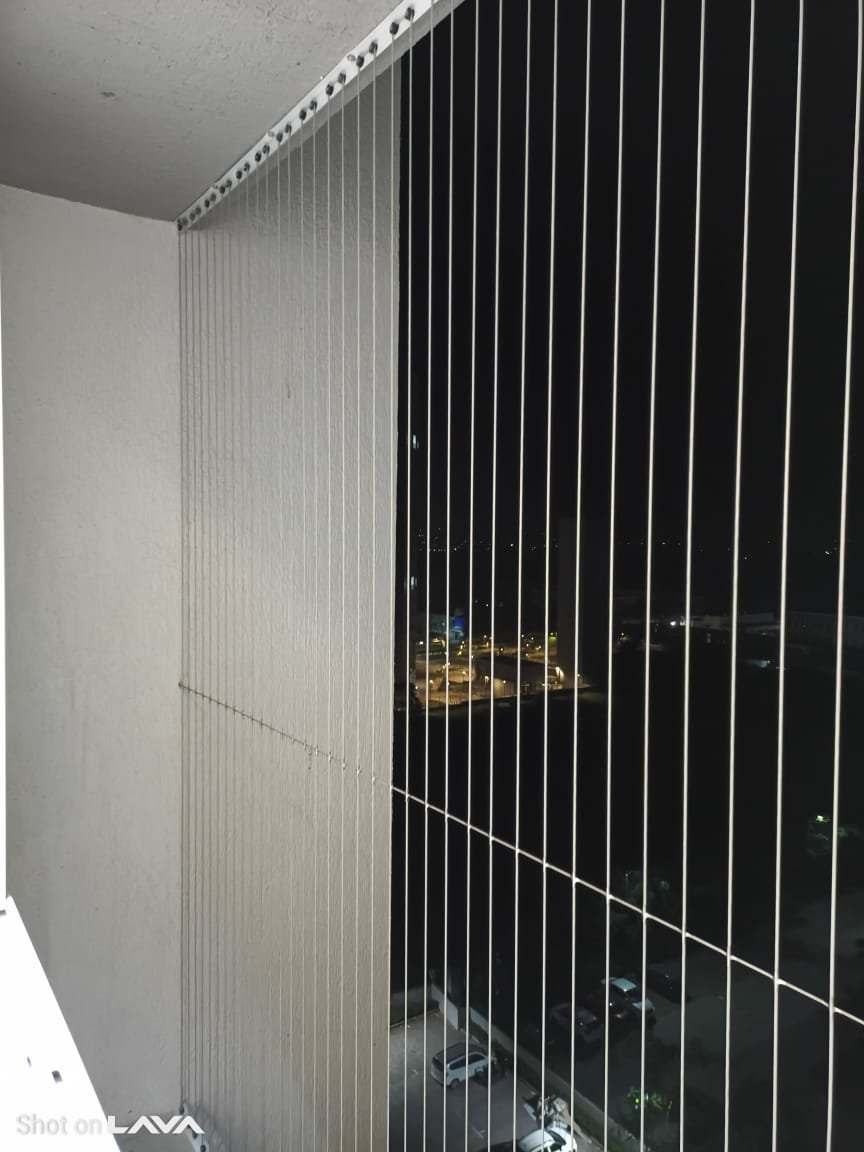
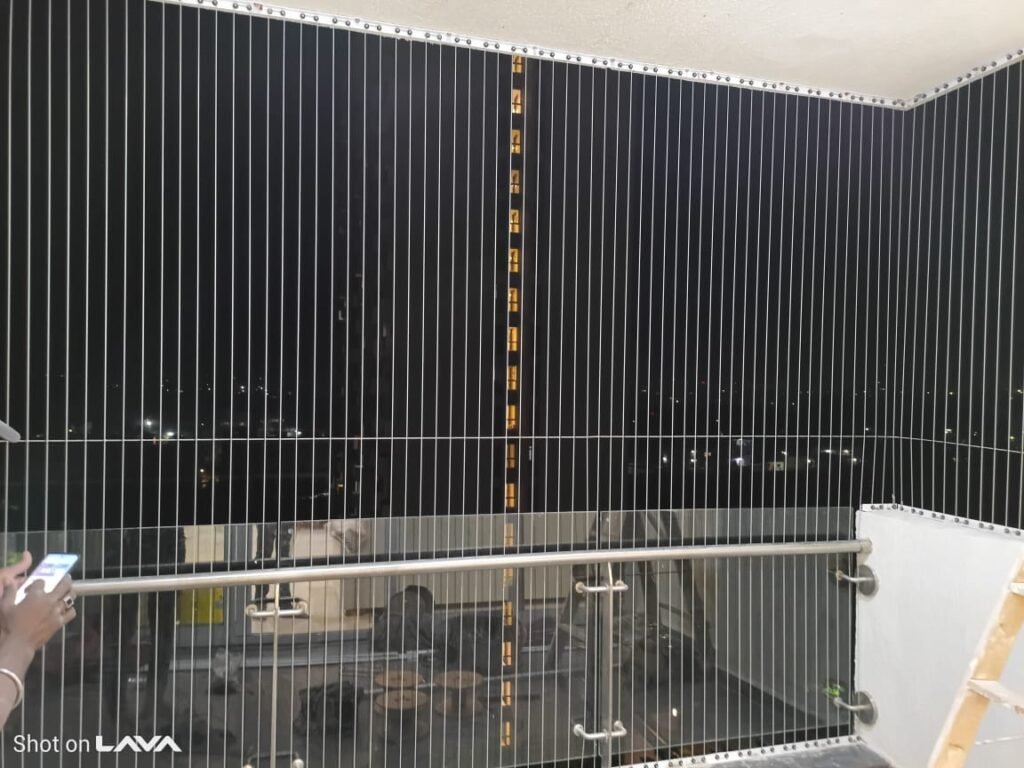
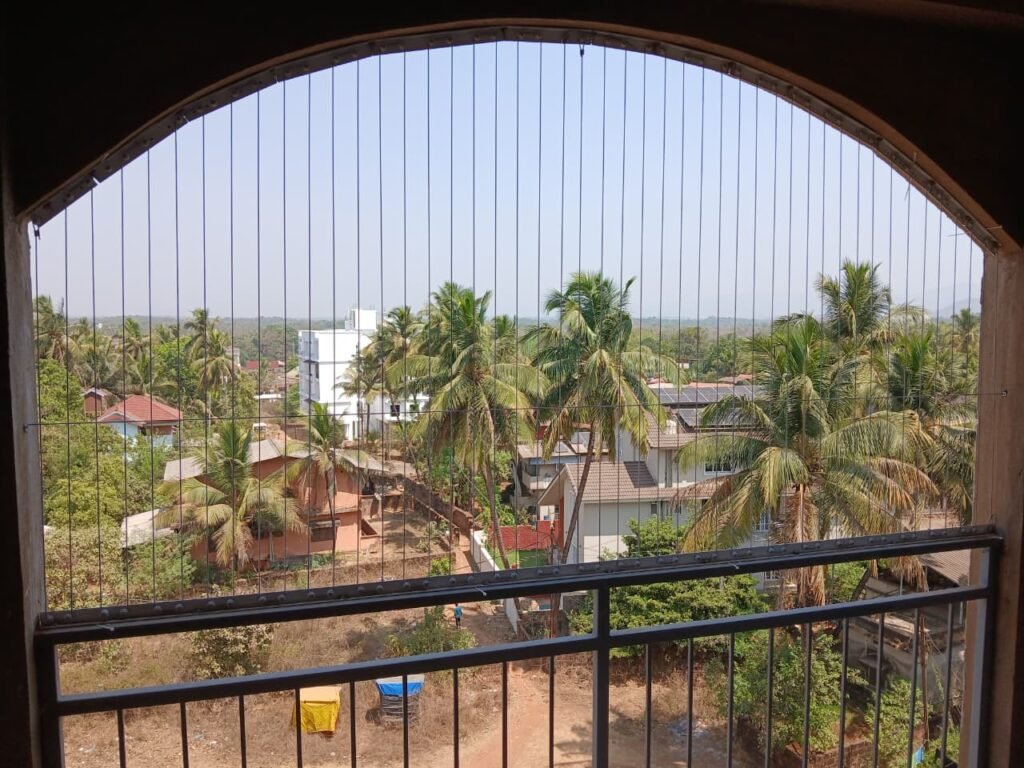
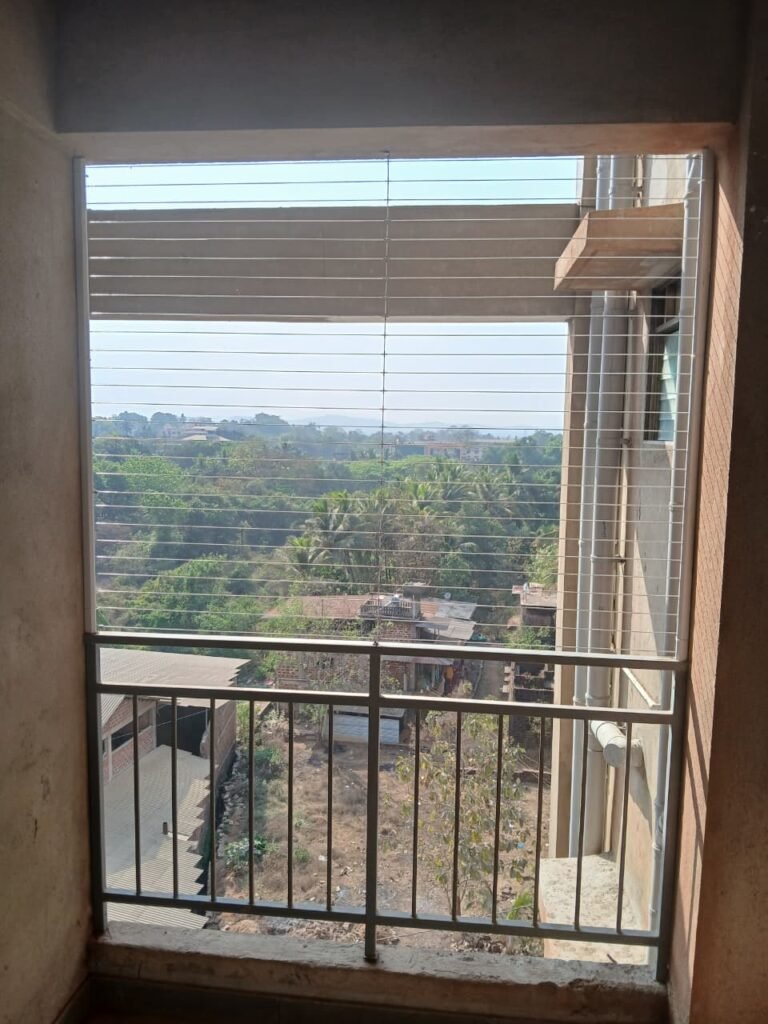
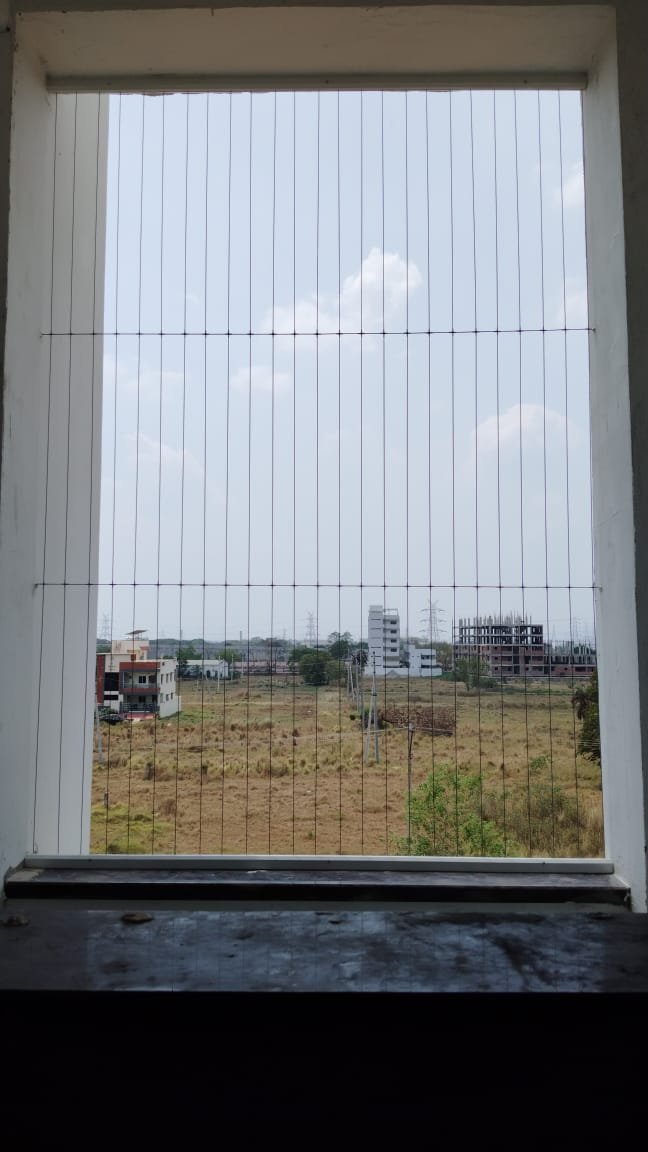
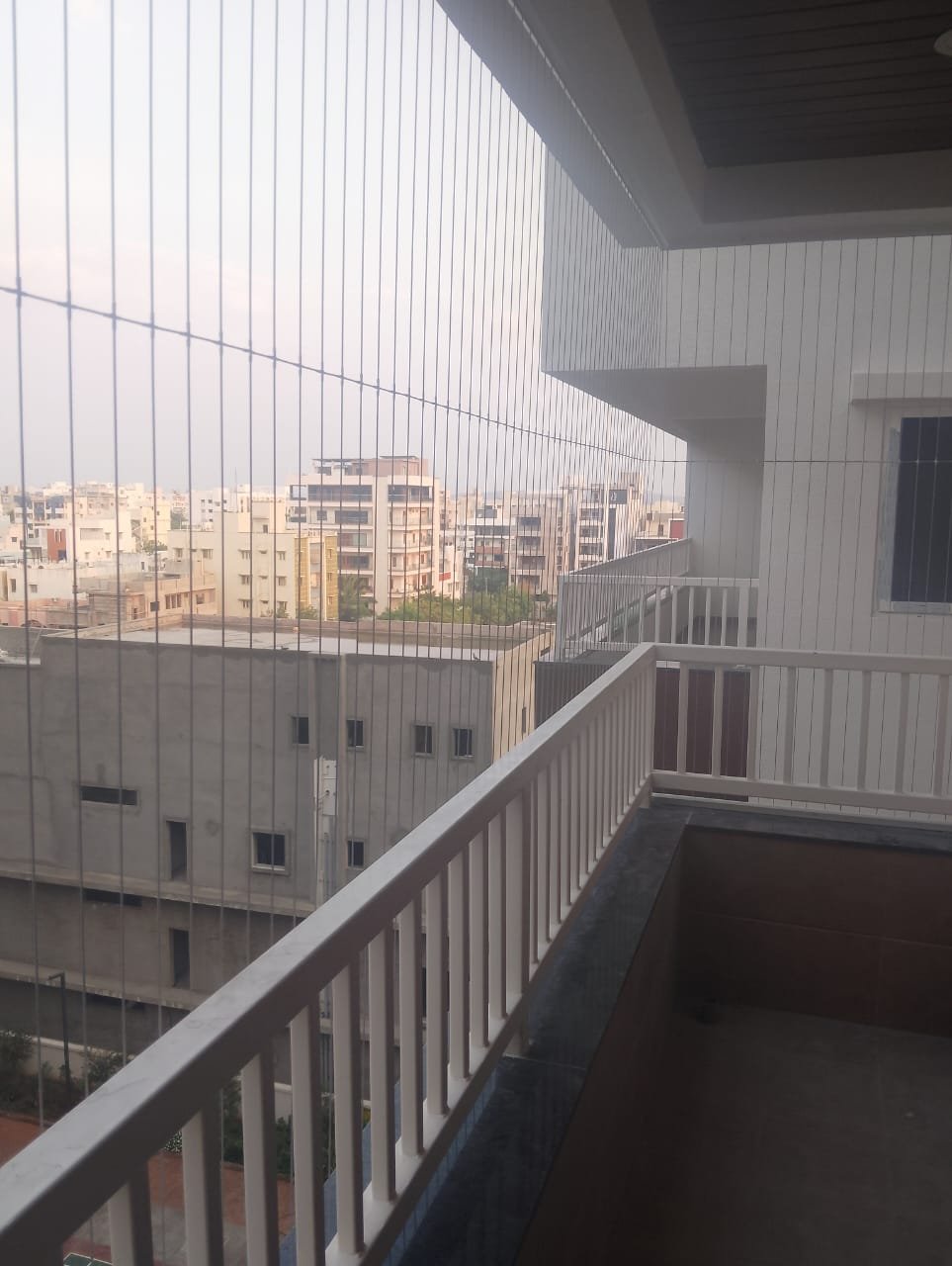
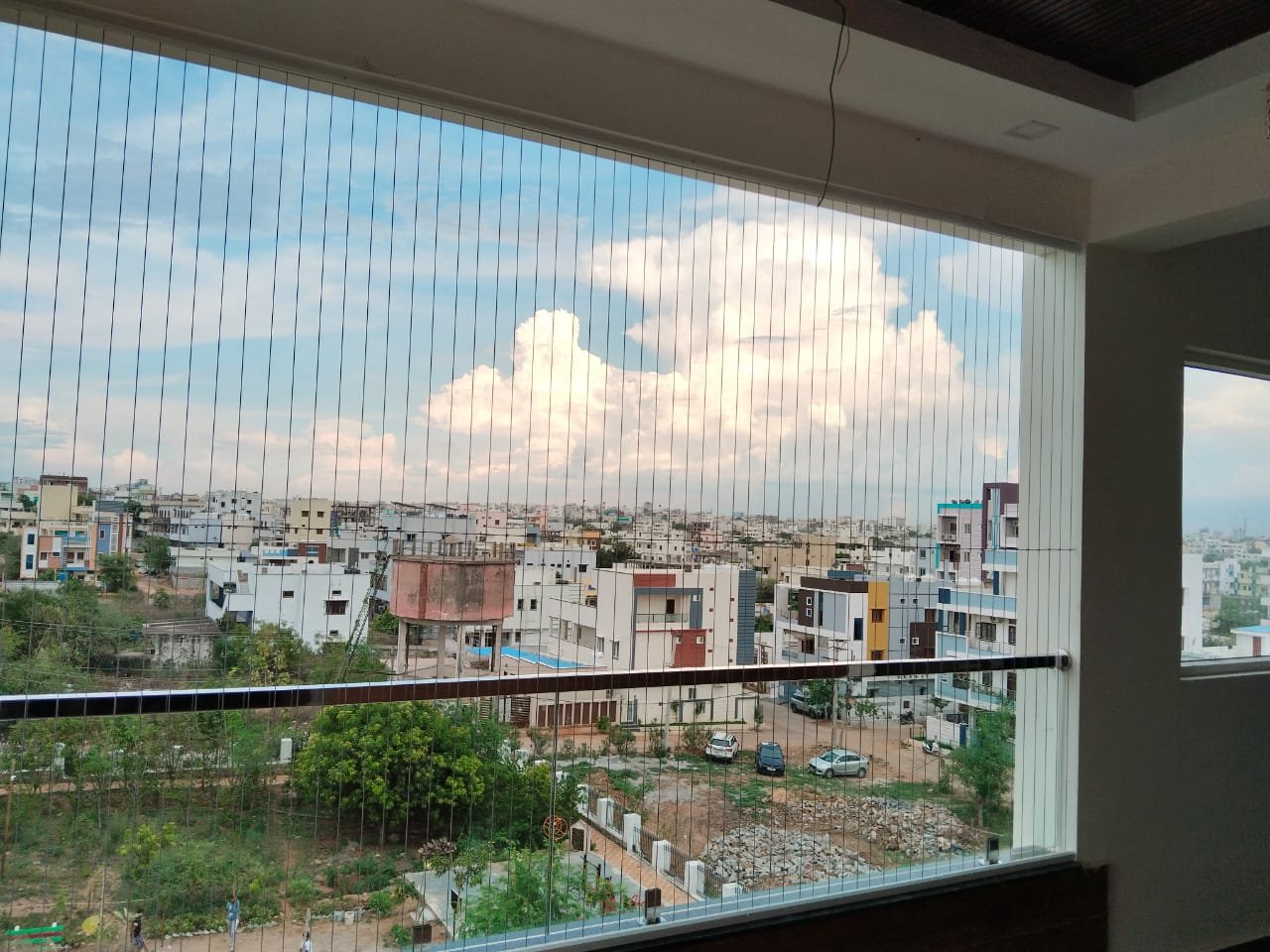
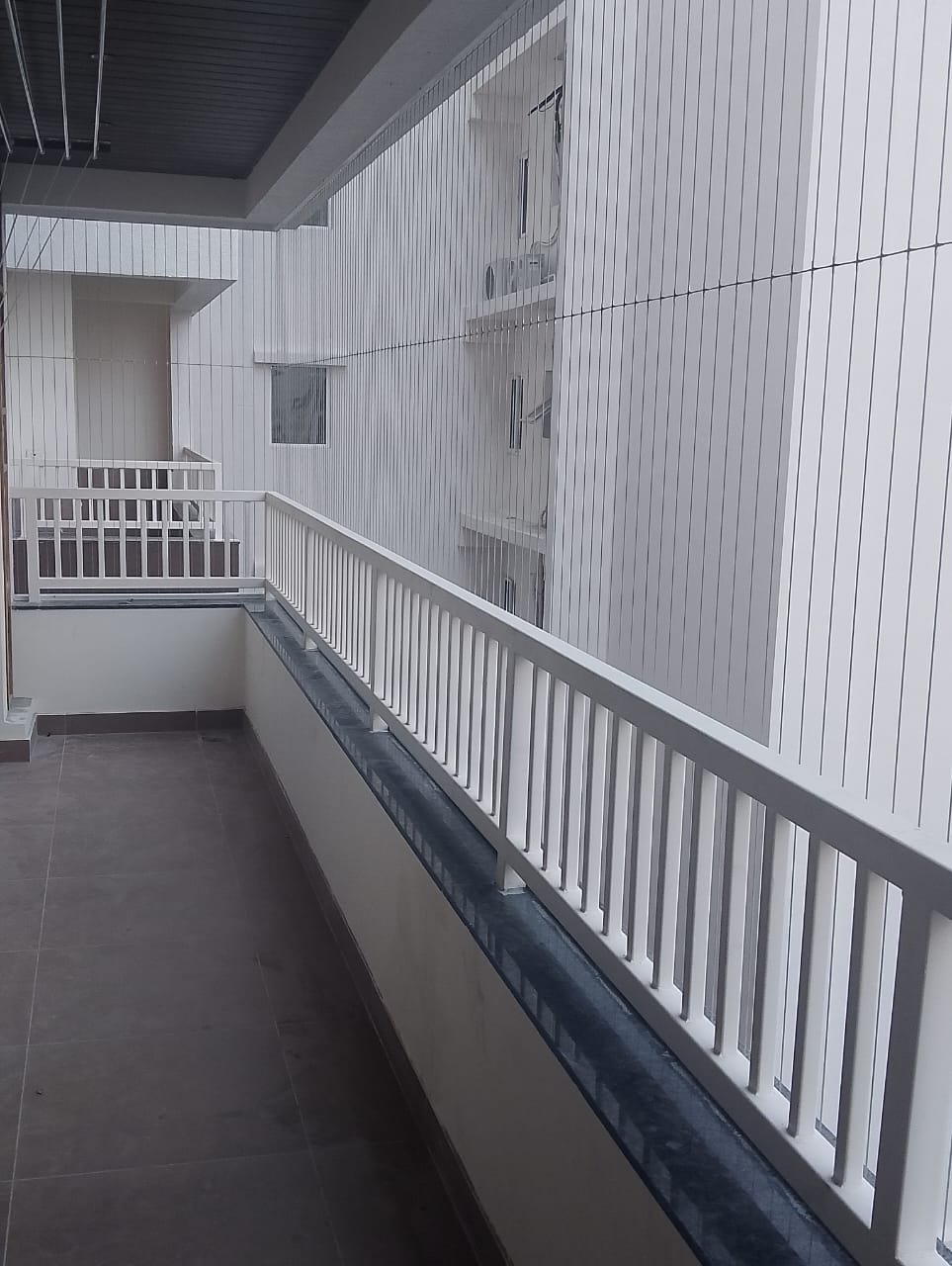
Effective Bird Netting pune 3 years Warranty
Introduction to Bird Netting pune
Bird netting pune is a protective measure designed to mitigate the challenges posed by birds in urban environments. It consists of mesh materials that prevent birds from accessing specific areas without causing them harm. The primary purpose of bird netting is to safeguard buildings, agricultural lands, and public spaces from the detrimental effects of bird infestation. For instance, birds can damage crops, create unsightly messes, and contribute to noise pollution, leading to potential economic losses and hygiene concerns.

The functionality of bird netting pune extends beyond mere exclusion, as it effectively preserves the integrity of structures while maintaining aesthetic appeal. In urban areas, such as Pune, where rapid development often leads to the encroachment of wildlife into human habitats, the installation of bird netting has gained particular significance. By acting as a barrier, bird netting not only prevents unwanted entry but also helps in controlling the spread of diseases that can be transmitted by birds.
One of the standout benefits of bird netting pune is its versatility. It can be utilized in various settings, including residential buildings, commercial establishments, and agricultural sites. The materials are typically durable, weather-resistant, and designed to withstand environmental stressors, ensuring long-lasting protection. As cities continue to expand, the increasing interactions between birds and urban development necessitate effective preventive measures such as bird netting, thereby making its installation not just beneficial but essential.
Ultimately, the rising awareness of these advantages has prompted both property owners and facility managers in Pune to consider bird netting as a viable solution. Its role in maintaining public health, economic stability, and environmental balance cannot be overstated, reinforcing the critical nature of installing bird netting in contemporary urban planning strategies.
Challenges Posed by Birds in Urban Environments
Urban environments present unique challenges due to the increasing presence of bird populations. These birds, while an integral part of the ecosystem, can also cause significant issues for property owners and businesses alike. One of the primary concerns involves property damage. Birds, particularly those that roost in large numbers, can damage buildings and civil structures. The accumulation of nesting materials and waste, coupled with the corrosive nature of bird droppings, can lead to costly repairs and maintenance issues over time. This scenario underscores the necessity for effective bird control measures, such as bird netting installation, to mitigate these challenges.
Moreover, the health risks associated with bird droppings cannot be overlooked. Bird feces can harbor various pathogens and parasites that pose threats to human health. For instance, diseases such as histoplasmosis or cryptococcosis have been linked to exposure to bird droppings. In urban settings, where pavement and structures are common places for birds to perch and nest, the potential for droppings to contaminate public spaces increases, necessitating rigorous sanitation processes and public health measures.
In addition to property damage and health risks, disruptions to business operations due to bird populations are another significant concern. Establishments such as restaurants, hotels, and retail stores can suffer losses in customer satisfaction and revenue if birds invade their premises. Customers may be deterred by the presence of birds or spoiled merchandise due to droppings, leading to a decline in business performance. Consequently, the implementation of bird control systems becomes vital not only for safeguarding property but also for ensuring a conducive environment for business activities.
Benefits of Bird Netting Installation
Bird netting installation serves numerous benefits that are essential for both residential and commercial spaces. Primarily, one of the most significant advantages is the protection of buildings. Birds, particularly pigeons, can cause considerable damage to properties through their droppings, which are not only unsightly but also acidic, leading to the deterioration of building materials over time. By implementing bird netting, property owners can effectively safeguard their structures, ensuring longevity and reducing repair costs associated with bird-related damages.
Another crucial benefit of bird netting is its impact on cleanliness. Properties that are free from bird access tend to remain cleaner, as the accumulation of feathers, droppings, and debris is significantly reduced. This cleanliness not only enhances the aesthetic appeal of the area but also contributes to a more pleasant environment for inhabitants and visitors alike. Moreover, maintaining a clean premises aligns with public health standards, creating a hygienic living and working space.
Equally important is the role of bird netting in minimizing the transmission of diseases. Birds are carriers of various pathogens that can pose serious health risks to humans, including bird flu, histoplasmosis, and cryptococcosis. By installing bird netting, the risk of disease transmission is substantially lowered, promoting a healthier environment for all. It acts as a physical barrier, thereby limiting direct contact with birds and their droppings.
From a financial perspective, the cost-effectiveness of bird netting installation is noteworthy. While there may be an initial investment, the long-term savings on maintenance, cleaning, and potential health-related expenditures far outweigh the upfront costs. Bird netting not only provides immediate solutions but also offers lasting protection, making it a wise choice for property preservation.
Choosing the Right Bird Netting Material
The selection of appropriate bird netting materials is crucial for effective installation and maintenance. Various types of bird netting are available on the market, which cater to different requirements and environmental conditions. Understanding the characteristics of these materials plays a significant role in selecting the right one for your specific needs in Pune.
One of the most commonly used materials is polyethylene netting. This lightweight and durable option offers excellent resistance to UV rays, ensuring longevity even in harsh weather conditions. It is suitable for a range of bird species and provides a gentle yet effective barrier. However, its lightweight nature may necessitate careful installation to prevent sagging or tearing under heavy conditions.
For those looking for a more permanent solution, stainless steel mesh is an excellent choice. Its robust construction ensures it can endure harsh environmental factors and animal interactions. This material is not only durable but also offers superior protection against larger birds and rodents. However, stainless steel mesh tends to be significantly pricier, which may impact the budget constraints of some users.
When deciding on the right type of bird netting material, consider the specific environment in which it will be installed, the type of bird species needing protection, and your budget. Evaluating these factors will aid in selecting the best option to meet your bird control needs effectively and responsibly in Pune.
Factors to Consider Before Installation
When contemplating the installation of bird netting, several critical factors must be evaluated to ensure both effectiveness and compliance with local regulations. Firstly, identifying the types of birds prevalent in the area is essential. Different species have varying behaviors and nesting habits; understanding this can inform the chosen netting solution. For instance, larger birds may require more durable netting than smaller ones, reflecting differences in impact resistance and size of the mesh holes.
The specific location and structure of the building where the netting will be installed also play a significant role. Architectural features such as eaves, balconies, and roofing materials can influence how effectively the netting can be mounted. An analysis of these structural elements can lead to custom solutions tailored to each unique scenario, ensuring optimal coverage and stability. For instance, difficult-to-reach high areas might require specialized installation techniques or enhanced safety measures for workers.
Additionally, it is crucial to consider the installation environment. Areas with high levels of foot and vehicular traffic may necessitate different installation strategies compared to quieter, less-trafficked locales. Safety protocols must be established to protect both the installation team and the local wildlife. Furthermore, understanding the local regulations regarding wildlife preservation is imperative. Certain laws may govern the treatment of bird species, especially if they are protected or endangered. Compliance with these regulations is not only a legal obligation but also reflects ethical responsibility.
Evaluating these factors meticulously will pave the way for a successful bird netting installation, ensuring that it meets both the needs of the property owner and the requirements of wildlife protection legislation.
Professional Bird Netting Installation Services in Pune
The growing concern for effective bird management in Pune has led to the emergence of specialized bird netting installation services. These professionals possess the expertise necessary to ensure that bird netting is installed correctly and efficiently, which is crucial for creating a bird-free environment in residential, commercial, and industrial settings.
When engaging professional bird netting services, the process typically begins with a comprehensive site assessment. Experts evaluate the specific areas where bird netting is required, identifying potential entry points that may allow birds to infiltrate. This assessment is vital as it informs the design and customization of the netting solution. Following the evaluation, professionals will recommend the best materials suitable for the specific breed of birds that need to be deterred, considering factors such as durability and resistance to local weather conditions.
Once the planning stage is complete, the installation process commences. Experienced technicians utilize professional-grade tools and techniques to ensure the netting is securely fitted. This process often includes anchoring the netting to structures, such as roofs or walls, and ensuring it is taut to prevent birds from entering. By hiring skilled installers, property owners can be assured that the netting will perform effectively, reducing the likelihood of damage caused by birds as well as maintaining the aesthetic appeal of the property.
During the installation, individuals can expect to be kept informed about the progress and any potential challenges that may arise. Communication is key in these projects, ensuring that the client is comfortable and aware of each step taken. Moreover, reputable services provide warranties and maintenance options, offering peace of mind and further safeguarding against future bird-related issues. Hiring professional bird netting installation services in Pune not only guarantees quality workmanship but also provides a sustainable solution to bird management challenges.
DIY Bird Netting Solutions: Pros and Cons
When considering bird netting solutions, some homeowners in Pune may be tempted to undertake a DIY installation. One of the primary advantages of this approach is the potential for cost savings. Opting for a self-installed bird netting system allows individuals to eliminate labor costs associated with hiring professionals. Additionally, many DIY netting kits are widely available, making the process accessible for most. With various materials on the market, it is possible for homeowners to select netting that suits their specific needs, such as mesh size and color.
However, while cost-effectiveness can be appealing, there are significant drawbacks associated with DIY bird netting installations. One prominent concern is the risk of improper installation. Without the expertise of professionals, homeowners may struggle with the correct measurements, tensioning of the netting, or securing it properly. These mistakes can lead to gaps that allow birds to access areas intended to be protected, ultimately defeating the purpose of the bird netting. Poor installations may also lead to additional costs down the line if reinstallation or repairs are needed.
Moreover, the choice of materials is crucial in ensuring long-lasting protection. Many DIY kits may use lower-quality netting that may not withstand Pune’s weather conditions, leading to premature wear and tear. In such cases, investing in high-quality bird netting from professionals ensures durability and effectiveness. Lastly, certain scenarios, especially when dealing with larger buildings or complex structures, may require specialized techniques that only experienced installers can provide. Therefore, while DIY bird netting solutions can be advantageous for small projects, it is essential to evaluate each situation carefully and consider consulting with a professional for optimal results.
Case Studies: Successful Bird Netting Projects in Pune
Bird netting has emerged as a highly effective solution for managing bird-related problems in urban environments, particularly in Pune. Several case studies showcase diverse applications of bird netting that underscore its benefits and effectiveness across various settings. One prominent example is the successful installation of bird netting at a local agricultural facility. This establishment faced significant challenges with pigeons, which adversely affected crop yield and quality. By adopting bird netting solutions, the facility reported a remarkable 80% reduction in crop damage within six months, leading to increased productivity and revenue.
Another notable case can be observed in a residential complex situated in a densely populated area of Pune. The residents were plagued by issues related to nesting birds, which not only caused cleanliness problems but also posed health risks due to droppings. Following the installation of customized bird netting, residents experienced immediate relief; the number of birds nested in the vicinity decreased substantially. Testimonials from the residents highlight their satisfaction with the netting solution, praising the aesthetic integration with the building while ensuring that the problem of vermin was expertly addressed.
In the commercial sector, a well-known restaurant in Pune utilized bird netting to protect its outdoor dining space from nuisance birds. The establishment had previously lost customers due to unsanitary conditions exacerbated by bird droppings. After the strategic implementation of bird netting, the restaurant not only regained its reputation but also noticed a significant uptick in patronage as more diners felt comfortable enjoying their meals outdoors. Reviews and testimonials indicated that the bird netting had transformed their dining experience while contributing positively to the restaurant’s overall ambiance.
These case studies illustrate the versatility and effectiveness of bird netting installations in Pune, highlighting how tailored solutions can resolve specific challenges related to pest birds, enhance aesthetic appeal, and improve health standards across various facilities.
Conclusion and Call to Action
In conclusion, the significance of bird netting installation cannot be overstated, particularly in an urban environment like Pune. Throughout this discussion, we have highlighted the numerous advantages of implementing bird netting solutions, which include protecting property and reducing the risk of health issues caused by birds and their droppings. Moreover, we also acknowledged that, while birds can be a delightful part of nature, their presence in excess can lead to various challenges for property owners.
The installation of bird netting serves as a practical and effective measure to prevent unwanted bird activity. It not only safeguards buildings, balconies, and open spaces but also ensures that the local biodiversity is well-managed without harming the birds. Residents and businesses alike can benefit from these preventative measures, promoting a cleaner and safer environment for all occupants.
As a call to action, we encourage property owners in Pune to take proactive steps towards addressing their bird-related concerns. Investing in professional bird netting installation can substantially enhance the quality of life within premises. We invite you to reach out for expert guidance and services tailored to your specific needs, ensuring your property is adequately protected. Whether you are seeking solutions for residential, commercial, or industrial spaces, securing an installation service is an essential step towards maintaining a harmonious relationship with the local avian population.
For more information or to schedule a consultation, don’t hesitate to contact your local bird netting service provider today. Take the initiative to protect your property and create a safer environment for yourself and those around you.
Introduction to Bird Netting
Bird netting is a versatile and effective solution designed to protect various outdoor and indoor spaces from birds. It serves as a physical barrier that prevents birds from accessing crops, gardens, and buildings without causing harm to the birds themselves. As a non-lethal method of bird control, the use of bird netting aligns with wildlife protection regulations while offering significant advantages to property owners and gardeners alike.
The primary purpose of bird netting is to safeguard fruits, vegetables, and ornamental plants from bird damage. With many agricultural crops susceptible to bird feeding and nesting, implementing bird netting can help preserve the yield and quality of produce. Additionally, gardens with delicate plants often face threats from various bird species that can strip leaves and consume seeds. By employing bird netting, gardeners create a safe environment that allows plants to flourish without disruption.
Beyond agricultural applications, bird netting plays a crucial role in protecting buildings and structures. Pigeons and other birds often seek refuge on rooftops and ledges, leading to potential damage from droppings and nesting materials. Bird netting serves as a barrier that discourages birds from congregating in these areas, thereby maintaining the integrity of buildings and reducing cleanup efforts related to bird waste.
When exploring the types of bird netting available on the market, one encounters various materials and specifications designed for different needs. Options include UV-stabilized polypropylene netting, nylon mesh, and polyethylene netting, each with unique durability and weight characteristics. Selecting the appropriate type of bird netting is essential to ensure optimal results based on the environment and problem being addressed.
Materials and Tools Needed
When embarking on a bird netting installation, the selection of appropriate materials and tools is critical for achieving efficient and long-lasting results. Below is a list of essential items you will need throughout the process.
The primary component is, of course, the bird netting itself. There are various types of bird netting available, including polyethylene, nylon, and mesh. Polyethylene netting is lightweight, resistant to UV rays, and typically ideal for gardens or balconies. Nylon netting, while more durable, is often best suited for heavy-duty applications such as agricultural setups. Lastly, mesh netting provides an effective barrier against smaller birds while allowing for proper airflow around plants.
Support structures are also essential for the proper installation of bird netting. Materials like PVC pipes, wooden posts, or metal frames can be employed to create a sturdy framework that will hold the netting in place. These supports should be securely anchored to prevent displacement during windy conditions.
In addition to netting and supports, specialized tools are pertinent to ensure a smooth setup. A pair of sturdy scissors or a utility knife will be needed for trimming the netting to the appropriate size. It is advisable to wear gloves during installation to protect your hands from abrasions and cuts. Furthermore, you will require fixings such as hooks, ties, or clips to securely attach the netting to your chosen supports. These fixings can generally be sourced from local hardware stores or online retailers.
Overall, ensuring you have all necessary materials and tools will set a foundation for a successful bird netting installation, protecting your space from unwanted avian visitors efficiently and effectively.
Preparing the Area for Installation
Before proceeding with the installation of bird netting, it is crucial to prepare the area adequately to facilitate a smooth process. The first step involves clearing the designated installation area of any debris, vegetation, or obstacles that may impede the netting’s placement or effectiveness. This not only enhances the visibility of the area but also ensures that no unforeseen items hinder the installation process. A thorough cleaning will provide a fresh slate for setting up the bird netting.
Next, taking precise measurements of the installation area is mandatory. Accurately measuring the dimensions will help in determining the right amount of bird netting required, minimizing waste and ensuring that the netting fits perfectly. Use a measuring tape and note the width and height of the space where the netting will be installed. Additionally, it’s advisable to sketch a simple diagram of the area, marking significant features that will influence the installation.
Examine the installation area for any potential obstacles, such as trees, poles, or structures, which may obstruct the netting’s placement. Understanding the layout will help in deciding the best installation method and the required type of netting. It is also essential to assess the anchoring points where the bird netting will be secured, ensuring they are stable and can withstand environmental conditions.
Lastly, after clearing, measuring, and examining the area for obstacles, gather all necessary tools and materials for the installation process. This proactive approach not only saves time but also contributes to a more organized and efficient installation of bird netting. By following these preparatory steps, one can ensure a seamless and effective bird netting installation. This foundational preparation is vital for achieving optimal results in bird control efforts.
Measuring and Cutting the Bird Netting
Accurate measurement and precise cutting of bird netting are essential steps in ensuring that the installation is effective and secure. To begin with, it is important to assess the area that needs to be covered. Utilize a measuring tape to determine the length and width of the designated space. It is advisable to measure multiple times to confirm consistency, as discrepancies in measurements can lead to issues during installation.
Once the dimensions of the area have been confirmed, the next step involves calculating the dimensions for the bird netting itself. It is prudent to add extra material for overlaps, especially if the netting will be attached to structures or if multiple pieces will be joined together. A general rule of thumb is to add an additional 12 inches to both the length and width to account for any adjustments during installation.
When it comes to cutting the bird netting, using sharp scissors or a utility knife will yield cleaner cuts and help prevent fraying, which can compromise the net’s integrity. Lay the bird netting on a flat, stable surface, making sure it is free of any wrinkles or tangles before cutting. It may be beneficial to mark your cutting lines with a non-permanent marker or chalk to ensure precision. After marking, carefully cut along the lines, maintaining a steady hand to achieve a smooth edge.
To avoid complications later, consider how the netting will be secured once installed. Some options include using small weights at the edges or attaching it with cable ties. This will help keep the netting taut and properly positioned, creating a robust barrier against birds. By following these guidelines for measuring and cutting, you can set the foundation for a successful bird netting installation.
Setting Up Support Structures
To ensure effective bird netting installation, establishing a stable support structure is crucial. Support structures can vary widely depending on the specific area being protected and the type of bird netting being used. The three most common methods to set up these structures include using vertical posts, horizontal frames, and tension wires. Each method serves to create a secure environment for the netting, preventing birds from accessing undesired areas.
First, assess the area that requires protection. For larger spaces, such as gardens or fruit orchards, installing vertical posts is generally recommended. These posts should be made from durable materials like treated wood or galvanized steel, ensuring they can withstand the elements. Position the posts at regular intervals, typically every 8 to 10 feet, and secure them in the ground with concrete for added stability. Once the posts are in place, you can attach the netting at the top, allowing it to drape down and cover the area efficiently.
If the area is relatively small or requires additional support at different heights, constructing a horizontal frame may be more suitable. This involves creating a rectangular structure that can hold the netting taut over the desired space. Use sturdy timber or metal pipes to create the frame, ensuring it is adequately anchored to resist wind forces. When the frame is complete, stretch the bird netting across it and secure it with clips or ties to maintain its position.
For areas with existing structures, such as rooftops or awnings, tension wires can be an excellent solution. Securely attach the wires between two anchor points with ample tension. Then, drape the bird netting over the wires, securing it tightly to prevent sagging, which could compromise its effectiveness. This method allows for easy removal and installation of the netting when necessary. In summary, select the appropriate structure based on your space requirements to ensure a successful bird netting installation.
Installing the Bird Netting
When installing bird netting, it is essential to ensure that the netting is correctly affixed to provide optimal protection. Start by measuring the area where the netting will be installed; this ensures that you have the correct dimensions. Once you have your measurements, cut the bird netting accordingly. Choosing the right netting material is crucial as it will impact durability and effectiveness against unwanted birds.
Next, prepare your support structures, which may include poles, frames, or existing architectural features such as walls or eaves. Ensure that these structures are sturdy and capable of bearing the weight of the netting. If you are using poles, they should be installed securely in the ground or fixed to a stable surface at regular intervals to provide adequate support for the netting.
To attach the netting, consider the various methods available, such as using zip ties, clips, or nails. For commercial settings, heavy-duty clips may offer better durability. Begin at one corner and work your way across, progressively securing the netting to prevent sagging. It is essential to keep the netting taut; this not only enhances its protective qualities but also helps avoid any risks of entanglement for birds or other wildlife.
Pay particular attention to the edges of the netting, ensuring that they are well-anchored. This might require utilizing weighted edges or securing them with additional materials. For complex areas, cut the netting to shape while ensuring sufficient overlap to prevent openings. Once installed, regularly check the netting for signs of wear or damage, and make necessary adjustments to maintain its integrity. Keeping it in top condition is key to effective bird control.
Securing the Edges and Corners
To ensure the effectiveness of bird netting as a protective measure, securing the edges and corners is paramount. Birds are naturally curious and resilient creatures; if any openings exist, they will likely seek to exploit them. Therefore, it is essential to employ appropriate fastening techniques that minimize the risk of birds entering the enclosed area.
One popular method for securing the edges of bird netting involves the use of a tensioned wire or cable. This entails fastening the netting to a sturdy framework, such as a wooden or metal perimeter, with strong, weather-resistant ties. The tension not only prevents sagging but also keeps the net tightly taut against the structure, effectively reducing the chance of birds finding gaps to breach. Additionally, it is advisable to use UV-resistant materials that can withstand exposure to the elements over time, ensuring long-term durability.
When it comes to corner anchoring, specific techniques can further enhance the integrity of the installation. One effective practice is to create a reinforced corner using metal brackets or corner clamps, which can securely hold the netting in place. By doing this, you create a stable base that minimizes the likelihood of tears or displacements at critical junctures. Moreover, reinforcing the corners with heavy-duty zip ties or cable ties can provide added strength against potential bird contact.
Regular inspection of both edges and corners is an essential maintenance practice. Ensure that all fasteners remain tight and that the netting is free from potential wear and tear. Address any damaged areas promptly to maintain the efficacy of your bird netting installation. By focusing on these edge fastening and corner anchoring techniques, you can significantly improve the overall performance of your bird netting system.
Maintaining Your Bird Netting
Once bird netting is installed, regular maintenance is essential in preserving its functionality and longevity. Over time, bird netting can be subjected to wear and tear from environmental factors, such as fluctuations in temperature, heavy winds, or storms. Routine checks are crucial for spotting any damage, particularly tears or holes that can compromise its effectiveness in protecting your property from avian intruders.
A thorough inspection should be conducted at least once a month, and more frequently during adverse weather conditions. Look for any signs of physical damage, such as rips or frayed edges, and attend to these issues promptly. Simple repairs can involve utilizing repair tape specifically designed for netting or patching materials to seal minor tears. However, if the damage is extensive, it may be advisable to replace the affected sections to maintain the integrity of the overall installation.
After severe weather events, such as storms or heavy winds, conduct a comprehensive clean-up of your bird netting. Debris such as branches, leaves, or dirt can accumulate and place unnecessary strain on the netting. Gently remove any heavy build-up to prevent sagging and potential destruction of the netting. If the netting has collected dirt or grime, a mixture of mild soap and water can be used for cleaning. Ensure that the netting is thoroughly rinsed to prevent any soap residue from attracting birds.
Seasonal maintenance is another important consideration. As seasons change, the conditions that affect your bird netting can vary greatly. Before winter, consider reinforcing the netting against potential ice or snow accumulation; in contrast, before summer, ensure that it is adequately secured and ready to withstand the heat. Keeping a consistent maintenance schedule is important in ensuring the bird netting remains effective throughout the year, fortifying your efforts in bird control.
Troubleshooting Common Issues
When installing bird netting, several common issues may arise that can affect the effectiveness of the installation. Addressing these challenges promptly ensures that your effort to protect your space from birds remains intact. One frequent problem encountered is sagging netting. This can occur if the netting is not secured tightly enough or if the support structures are inadequate. To resolve this, check the tension of the netting and adjust the fasteners to keep it taut. Additionally, ensure that the support poles or attachments are strong enough to hold the netting securely in place.
Another prevalent issue is the presence of gaps within the netting that may allow birds to enter the protected area. This often results from poorly measured or cut netting. To troubleshoot this, inspect the entire perimeter of the installation to identify any visible openings. It may be necessary to trim excess netting or employ patches to seal these gaps effectively. Using a combination of zip ties or clips can help secure the netting snugly against the structure, thereby minimizing the chances of unintentional ingress.
Weather-related damages can also affect the integrity of the bird netting over time. Harsh weather conditions, including strong winds or storms, can lead to tearing or displacement of the netting. To mitigate these risks, consider using more robust materials designed to withstand adverse conditions. A regular maintenance schedule is advisable, as it allows for timely inspections and necessary repairs, ensuring the bird netting continues to provide optimal protection.
In conclusion, effectively troubleshooting common issues related to bird netting installation is crucial for maintaining its purpose. By addressing sagging, sealing gaps, and preparing for weather challenges, you can enhance your bird netting solution’s durability and functionality.
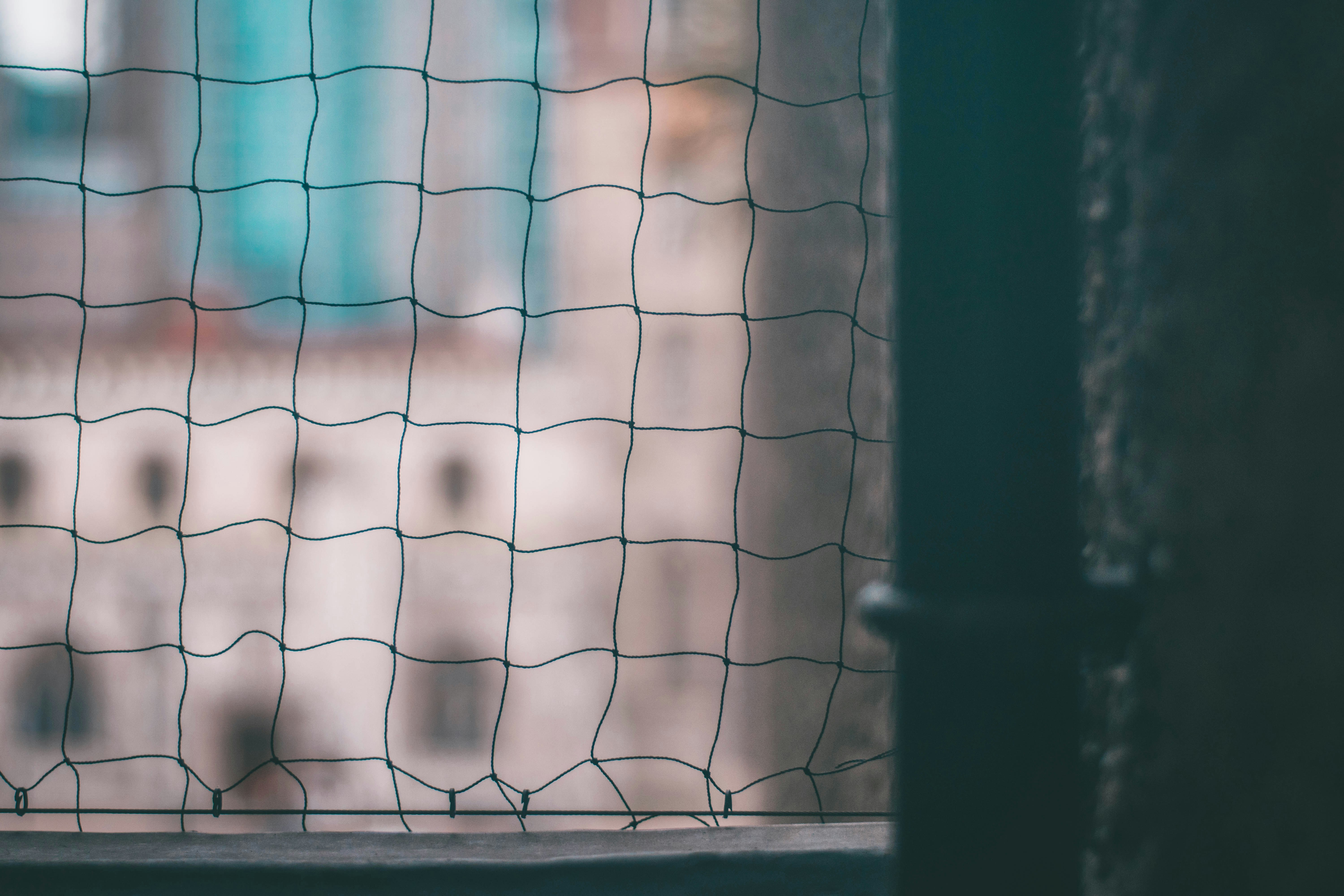
Introduction to Bird Netting
Bird netting has emerged as a highly effective solution for safeguarding crops, gardens, and outdoor spaces from the frequent challenges posed by birds. In Pune, the agricultural landscape is immensely diverse, with various crops and gardens catering to both commercial and residential needs. However, the prevalence of birds in this region often leads to significant losses, as they tend to feed on seeds, fruits, and vegetables. This has created a pressing need for effective bird control measures, among which netting stands out as a practical approach.
The challenges associated with bird invasions in Pune are manifold. Farmers and gardeners alike are often dismayed by the extent of damage inflicted by flocks of birds. Besides causing economic losses through diminished yields, the presence of birds can disrupt the delicate ecological balance, affecting the overall health of gardens and crops. This scenario is not uncommon; many urban and suburban households experience similar difficulties, as birds often take refuge in residential areas, targeting home gardens and ornamental plants. As a result, the demand for effective deterrents has surged.
Bird netting serves as an invaluable tool in mitigating these issues. Constructed from durable materials, bird nets provide a physical barrier that prevents birds from accessing valuable crops and gardens without causing harm to the environment or harming the birds themselves. The versatility of bird netting allows it to be used in various settings—farmlands, orchards, and even urban gardens—and it can easily be tailored to fit different shapes and sizes of spaces. Employing bird netting can significantly reduce crop damage, enhance yield, and create a peaceful coexistence between humans and avian wildlife. By mitigating the detrimental impact of bird activity, farm and garden owners in Pune can protect their investments and maintain the vitality of their green spaces.
Understanding the Impact of Birds on Agriculture
Pune, known for its diverse agricultural landscape, faces significant challenges from various bird species that affect crop yields adversely. Birds such as crows, pigeons, and parrots are notorious for consuming fruits, grains, and vegetables, leading to considerable financial losses for farmers. According to agronomic studies, it has been estimated that bird-related damage can account for up to 20% of total crop yield losses, which represents a staggering figure in a region where agriculture plays a vital economic role.
In a specific case observed in Pune’s orchard farms, it was reported that farmers experienced up to 30% loss of guava and pomegranate crops due to the incessant foraging by birds during peak harvest seasons. Such incidents underscore the urgent need for effective deterrents to mitigate the impact of avian interference on agricultural produce. Additionally, the Indian Council of Agricultural Research has documented instances where poorly managed bird populations result in substantial reductions in rice and pulse yields, further compounding food security challenges.
The implications of bird damage are not solely limited to direct crop consumption. Birds can also introduce diseases and pests to fields, creating additional strain on farmers who must invest in pesticides or take other preventive measures. The financial burden of these losses often leads to a cycle of debt for farmers, making it increasingly essential to implement safeguarding techniques. Bird netting offers a practical and environmentally friendly solution to protect crops effectively while allowing air and light to reach the plants, thereby promoting healthy growth.
Incorporating bird netting in agricultural practices not only addresses the immediate concerns of crop loss but also contributes to the long-term sustainability of farming in Pune. Hence, it is critical for farmers to recognize the negative impacts of bird activities and adopt preventative measures to safeguard their livelihoods.
Benefits of Bird Netting
Bird netting serves as an invaluable tool for farmers and landowners, especially in regions like Pune, where avian pests can significantly undermine agricultural productivity. One of the primary benefits of utilizing bird netting is its effectiveness in protecting crops from damage caused by various bird species. By creating a physical barrier, bird netting prevents birds from accessing ripening fruits and grains, thereby safeguarding the harvest and ensuring that farmers can achieve their desired yields.
Another significant advantage of bird netting is the reduction in reliance on chemical repellents. Traditional methods of bird control often involve the use of pesticides or other harmful chemicals, which can pose risks to both human health and the environment. With the implementation of bird netting, farmers can minimize or even eliminate their use of these chemicals, thus promoting safer agricultural practices. This shift not only benefits the ecosystem by reducing chemical runoff but also aligns with consumer preferences for sustainably grown produce.
From an environmental perspective, bird netting enhances biodiversity by offering a non-lethal means to manage bird populations. By effectively deterring birds without harming them, farmers can maintain a balance in the ecosystem. Furthermore, bird netting supports sustainable agricultural practices, allowing farmers to produce crops while protecting local wildlife. This approach can lead to healthier landscapes and improved soil conditions over time, a crucial aspect for long-term agricultural success.
In addition to safeguarding crops and promoting environmentally friendly practices, bird netting ensures a better yield for farmers. By protecting their investments, farmers can secure a more consistent income, which is essential for their livelihoods in today’s competitive market. Overall, the benefits of bird netting extend beyond immediate pest control, contributing to a holistic approach to sustainable farming in Pune and beyond.
Choosing the Right Bird Netting Material
Selecting the appropriate bird netting material is crucial for ensuring effective bird control while also extending the lifespan of the installation. Various types of bird netting materials are available on the market, each designed to address specific challenges posed by birds. The most common materials are polyethylene, polypropylene, and nylon. Polyethylene netting is known for its lightweight yet robust characteristics, making it a preferred choice for residential and commercial properties alike. It is UV stabilized, ensuring that it can withstand prolonged exposure to sunlight without deteriorating.
Another option, polypropylene netting, is slightly heavier and offers excellent resistance to abrasion and wear, which can be particularly beneficial in more rugged environments. Nylon netting provides unmatched strength and durability, ideal for high-impact situations. However, it may be costlier compared to other materials, making it essential to evaluate your budget alongside the specific needs of your property.
When choosing bird netting, several factors should be taken into account to ensure maximum effectiveness. Durability is a primary concern; the chosen netting must endure various weather conditions and potential physical damage. Additionally, mesh size plays a critical role—smaller mesh sizes can prevent smaller birds from entering spaces, thereby reducing unwanted damage. Conversely, larger mesh openings may be more appropriate for larger birds and could facilitate better airflow.
Lastly, it’s vital to ensure the netting is UV resistant. This feature will significantly enhance its longevity, as UV rays can cause materials to break down over time. Proper selection of the right bird netting material combines all of these essential factors, ensuring that it serves its purpose effectively while maintaining its structural integrity over the years.
DIY Bird Netting Installation: A Step-by-Step Guide
Installing bird netting can be an effective solution for protecting your garden, crops, or outdoor spaces from unwanted avian visitors. With a methodical approach, homeowners and farmers can carry out this task themselves. The process requires some essential tools and a careful preparation phase, followed by clear installation steps to ensure optimal effectiveness.
Begin by gathering the necessary tools for the installation. You will need bird netting material, a pair of sturdy scissors, a measuring tape, ladder (if installing at height), zip ties or twine, and a staple gun or adhesive tape. It’s also advisable to wear gloves to protect your hands during the process.
Preparation is key. First, measure the area where the bird netting will be installed. Take accurate dimensions of the height and width to ensure you purchase enough netting. Select a high-quality bird netting material with appropriate mesh size to effectively deter birds without harming them. Once you have your netting, inspect the area for any sharp objects or protrusions that may damage the netting or your plants.
Next, proceed with the installation. Start by securing the first edge of the netting to a sturdy structure such as a fence, post, or wall using zip ties or a staple gun. Ensure the netting is taut to prevent sagging. Gradually unfold and stretch the netting across the area, making sure it covers the intended space completely. When reaching the other end, secure it similarly to the starting edge. Pay special attention to corners and edges to avoid any gaps that birds might exploit.
Finally, inspect your installation for any openings or loose areas. Adjust as necessary to ensure a tight fit. By dedicating time to this DIY bird netting project, you can successfully safeguard your property from birds and enjoy peace of mind knowing your efforts are paying off. In conclusion, with proper planning and execution, bird netting can be a manageable and effective addition to your protective measures against pests.
Professional Bird Netting Services in Pune
In Pune, the growing concern over bird-related issues has led to an increase in professional bird netting services. These services are essential to both residential and commercial properties, where birds can cause significant damage and health risks. Professional bird netting provides an effective solution to manage the presence of birds without causing them harm, thus aligning with ecological preservation efforts. As the demand for these services rises, finding a reliable provider becomes paramount.
When choosing a bird netting service in Pune, several factors should be considered to ensure quality work. Firstly, it is advisable to look for companies with a strong track record and positive client testimonials. This can often be assessed through online reviews or recommendations from acquaintances. Companies that specialize in bird netting typically offer a range of services, including consultation, installation, and maintenance, which can significantly ease the burden on property owners.
Another key consideration is the quality of materials used. Reputable bird netting services utilize durable, weather-resistant nets that can withstand the diverse environmental conditions in Pune. This ensures that the installation remains effective over time and reduces the need for frequent replacements, ultimately leading to cost savings. Additionally, expertise in identifying the specific type of birds and their nesting behaviors plays a crucial role in the success of the netting solution.
Moreover, hiring professionals guarantees compliance with local regulations and safety standards, which can be challenging for individuals unfamiliar with the legalities surrounding animal control. Involving experts not only ensures a high standard of work but also minimizes potential liability issues. Overall, the advantages of utilizing professional bird netting services extend beyond mere installation; they encapsulate ongoing maintenance, expert advice, and peace of mind for property owners throughout Pune.
Success Stories: Bird Netting in Action
Across Pune, various farmers and gardeners have turned to bird netting as a practical solution to the persistent issues posed by avian intruders. The implementation of this protective measure has yielded remarkable success stories, demonstrating its efficacy in safeguarding crops and enhancing yields. One local farmer, Rajesh Patil, recounted his experience with a significant increase in his tomato harvest after installing bird netting. Prior to this, he faced devastating losses due to birds pecking and consuming the fruit, which had left him disheartened. Since the installation, not only has he seen a dramatic reduction in damage, but his harvest has also doubled, allowing him greater income and sustainability.
Similarly, Sudha Deshmukh, a passionate home gardener, highlighted how installing bird netting around her vegetable patch has dramatically transformed her growing experience. Before using bird netting, she struggled with persistent bird issues that hindered her cucumbers and beans. After taking measures to secure her garden, she discovered not only did the netting repel the birds, but it also created a microclimate that benefited her plants. As a result, her vegetable production surged, leading to bountiful harvests that she now shares with family and friends during local farmers’ markets.
These testimonials underscore the positive outcomes achieved through the strategic use of bird netting in Pune’s agricultural landscape. Farmers and gardeners alike have benefited from enhanced protection against bird-related damage, resulting in increased harvests and improved overall plant health. This protective method allows them to invest more confidently in their crops, knowing they have a reliable barrier against unwanted avian interference. By adopting bird netting, these individuals exemplify how integrating innovative solutions can lead to agricultural success.
Maintaining Your Bird Netting
Ensuring the longevity and efficacy of bird netting requires regular maintenance. This critical practice not only extends the lifespan of the netting but also maximizes its effectiveness in preventing unwanted bird intrusions. The first step in maintaining bird netting is to conduct periodic inspections. It is advisable to check the netting every few months or after severe weather events, as exposure to elements like rain, wind, and UV rays can weaken its structure. During inspections, look for signs of wear and tear, including frayed edges, holes, or loose connections. Any detected damages should be promptly addressed to maintain the integrity of the structure.
Cleaning the bird netting is another essential aspect of maintenance. Accumulated dirt, debris, and organic matter can inhibit the netting’s ability to function properly. To clean the netting, gently use a soft brush or cloth and a mild soap solution. It’s crucial to avoid harsh chemicals, as these can degrade the material over time. Make sure to rinse thoroughly with water to remove any soap residue. Proper cleaning not only enhances the appearance of the netting but also prevents the growth of mold and mildew, which can compromise its strength.
In the event of damage, timely repair is paramount. Small holes can often be mended with specialized netting repair kits available in the market. For larger tears or extensive damage, replacing the affected section may be necessary to restore full functionality. By following these simple maintenance guidelines—regular inspections, cleaning, and prompt repairs—you can significantly prolong the usability of your bird netting, ensuring it continues to protect your space from unwanted avian visitors.
Conclusion: Embrace Change and Protect Your Space
As we navigate the challenges posed by avian intrusions in our gardens or farms, it is essential to adopt proactive measures that not only safeguard our space but also promote sustainable practices. Bird netting emerges as a powerful solution that effectively addresses the nuisances caused by birds while ensuring the safety and productivity of our environments. This protective measure offers a practical approach to maintaining the integrity of crops and landscaping, allowing us to cultivate a thriving ecosystem.
Investing in bird netting not only serves as a deterrent to unwanted guests but also symbolizes a commitment to embracing change. As we confront these challenges, it is crucial to shift our mindset from viewing bird intrusion as a mere inconvenience to recognizing it as an opportunity for improvement. By implementing bird netting, we demonstrate foresight and resilience, enhancing our habitats against potential risks. Moreover, the introduction of this sustainable practice fosters a harmonious relationship with wildlife, ensuring that we coexist without compromise.
Every small step taken towards safeguarding our spaces contributes to a larger vision of environmental stewardship. As individuals and communities, we have the responsibility to protect our gardens and farms from the threats posed by birds. Whether for agricultural productivity or aesthetic enjoyment, bird netting offers a certified solution that empowers us to take control of our surroundings. By choosing to embrace this innovative method, we can turn challenges into accomplishments, cultivating a more fruitful and protected environment.
In conclusion, it is time to act decisively. Embrace bird netting as a strategic investment in your space’s future, and let it be a testament to your dedication to overcoming challenges. Together, we can create thriving landscapes capable of flourishing despite the hurdles presented by nature.
Introduction to Bird Netting
Bird netting is a practical and effective solution designed to prevent birds from gaining access to certain areas, thereby minimizing damage and safety hazards associated with avian interactions. This type of netting is typically made from durable materials that can withstand varying weather conditions while remaining unobtrusive. Its primary purpose is to create a barrier that does not harm the birds but effectively deters them from roosting, nesting, or foraging in unwanted areas, a growing concern particularly in urban environments such as Pune.
In urban settings, residents and businesses frequently face a range of issues stemming from bird activity. Common problems include property damage caused by droppings, which can corrode building materials and create unsightly stains. Additionally, birds may pose health risks through the transmission of diseases, making bird control solutions necessary for public health and safety. Another factor contributing to these challenges is the urban environment’s ability to support large bird populations, often leading to increased competition for food and nesting sites.
The need for effective bird control is heightened in a city like Pune, where rapid urbanization has led to a rise in construction and development. As new buildings replace natural habitats, birds often seek refuge in residential and commercial properties, leading to conflicts with humans. Implementing bird netting as a preventive measure can help mitigate these conflicts, ensuring that urban spaces remain clean and safe. Moreover, the use of bird netting can safeguard businesses from expensive damages and maintenance costs associated with pest control. As urban areas continue to grow, the importance of implementing robust bird management strategies, such as bird netting, becomes increasingly evident.
Why Choose Mahalaxmi Invisible Grill Services?
Mahalaxmi Invisible Grill Services stands out as a leading provider of bird netting solutions in Pune. With years of experience in the industry, the company has honed its skills in delivering high-quality bird netting services tailored to meet the diverse needs of its clientele. Their commitment to excellence is evident in every project, making them a preferred choice among homeowners and business owners alike.
One of the key reasons to opt for Mahalaxmi Invisible Grill Services is their team of highly trained professionals who possess extensive knowledge on bird netting installation techniques. They are adept at assessing specific environments, understanding the various species of birds, and implementing solutions that effectively prevent unwanted bird intrusions without causing harm to the wildlife. Their expertise ensures that clients receive the most effective and sustainable bird control methods available in the market.
Customer satisfaction is a top priority for Mahalaxmi Invisible Grill Services, which is reflected in the numerous positive testimonials from satisfied clients. Many customers have praised the company for its punctuality, professionalism, and high-quality products that stand the test of time. These glowing reviews not only affirm the company’s reliability but also highlight their dedication to providing tailored solutions that meet the unique requirements of each client. With a variety of options available, including different types of nets and installation methods, Mahalaxmi Invisible Grill Services offers versatility and customization that differentiates them in the competitive bird netting market.
In conclusion, choosing Mahalaxmi Invisible Grill Services for bird netting solutions in Pune ensures a blend of expertise, quality, and customer-centered service, all contributing to a safer and more peaceful living and working environment.
Types of Bird Netting Solutions Offered
Mahalaxmi Invisible Grill Services provides a diverse range of bird netting solutions, designed to meet the variegated requirements of residential, commercial, and industrial settings. The effectiveness of these solutions lies in the careful selection of materials and designs that cater to specific applications while ensuring durability and reliability.
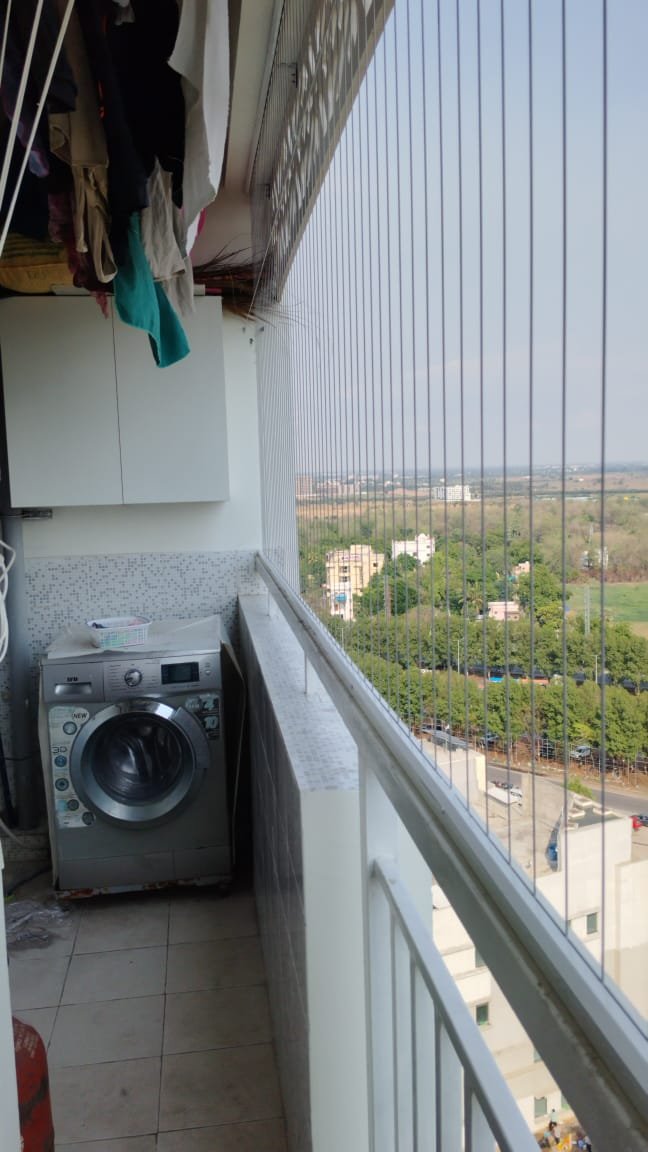
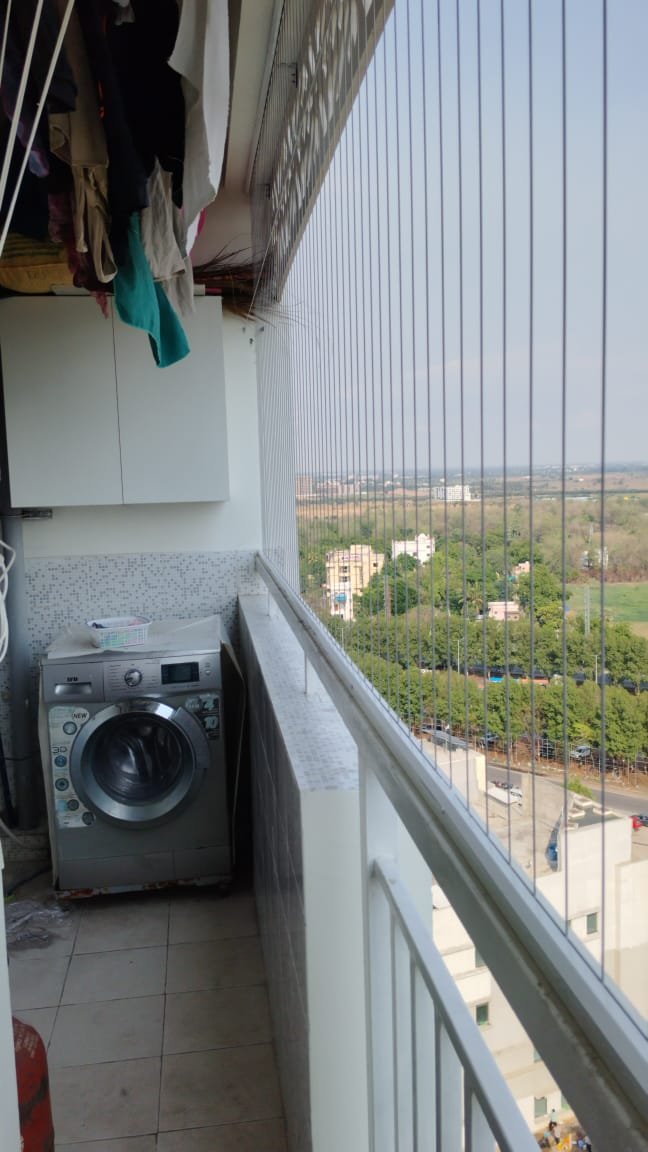
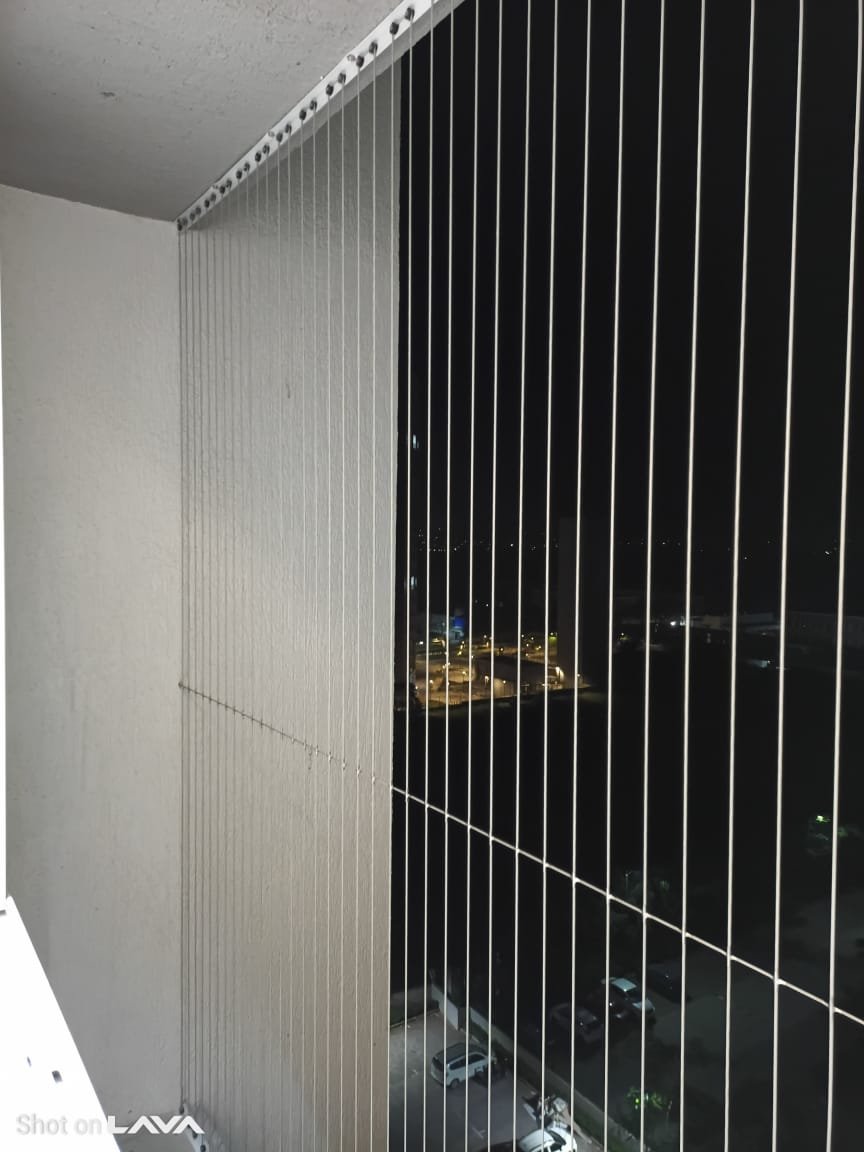
One prominent type of netting offered is the polyethylene bird net. This lightweight yet strong option is made from high-density polyethylene, which ensures longevity and resistance to environmental factors such as UV exposure. Ideal for residential areas, it effectively prevents birds from entering balconies, gardens, or terraces, thus protecting property from potential damage or nuisance.
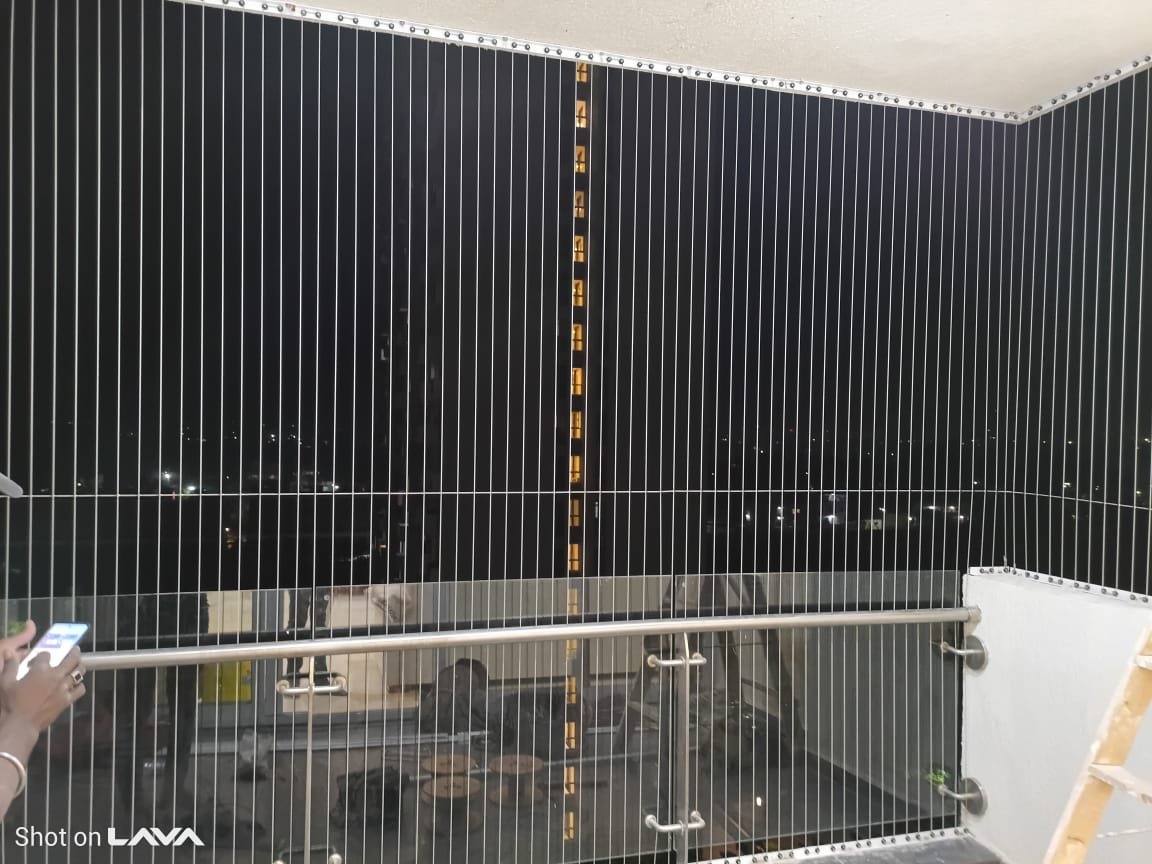
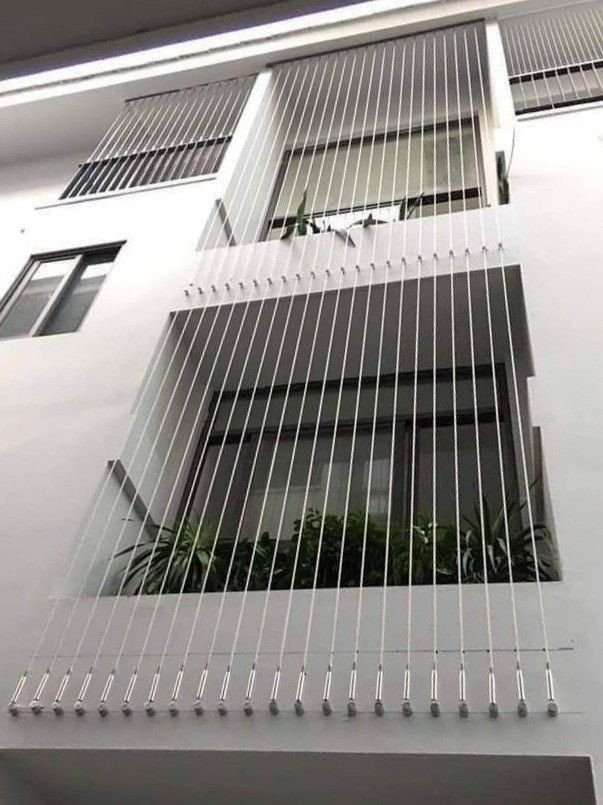
For commercial applications, Mahalaxmi offers stainless steel bird netting. This type is particularly advantageous for high-rise buildings and factories, where durability and strength are paramount. The stainless steel mesh proves to be robust against extreme weather conditions, making it a preferred choice for businesses seeking a long-term solution to bird control.
Another solution available is the nylon bird netting, favored for its versatility and ease of installation. Nylon nets are suitable for various applications, including sports facilities, warehouses, and farms. They not only deter bird infestations but also maintain aesthetic appeal, as they can be installed discreetly without compromising the visual aspect of a building or space.
Mahalaxmi Invisible Grill Services ensures that each bird netting solution can be customized to fit the unique specifications of any given location, whether it requires a specific color, size, or strength. By offering tailored options, they successfully address the diverse needs of clients across Pune, thus enhancing bird control measures effectively.
How to Select the Right Bird Netting
Choosing the right bird netting is crucial for effectively managing bird-related issues while ensuring compliance with local regulations and environmental considerations. When selecting bird netting, the first factor to consider is the type of birds prevalent in your area. Different bird species have varying sizes and habits, and this directly influences the netting selection process. For example, larger birds such as pigeons may require a stronger and thicker netting material compared to smaller birds like sparrows, which could be tackled with finer mesh options.
Next, it is important to assess the specific areas that need protection. Whether it is a rooftop, balcony, or garden, the dimensions and layout of the space dictate the type of bird netting required. Measure the areas accurately, as the netting should cover all accessible entry points while providing a secure barrier against birds. Additionally, consider the netting installation methods that suit your property’s design. Some installations may require more robust frameworks or additional supports, whereas lighter netting can be installed with simpler setups.
The environmental conditions in Pune should also be a determining factor while selecting bird netting. Regions with high wind speeds or heavy rain may require more durable materials that can withstand various weather conditions, ensuring longevity and effectiveness. UV resistance is another essential characteristic, especially when considering long-term outdoor installation. Thus, confirming the netting’s material quality and its adaptability to Pune’s climate is imperative before making a purchase.
Taking all these factors into account will lead to an informed decision, allowing you to select the right bird netting that meets your specific needs, thereby ensuring a better solution for managing bird presence around your property.
Installation Process of Bird Netting
The installation of bird netting is a crucial step to ensure the effective prevention of bird intrusion in residential and commercial spaces. Mahalaxmi Invisible Grill Services follows a comprehensive approach to ensure a seamless and durable installation. The process begins with the assessment of the area where the netting is needed. This assessment involves identifying high-risk zones, determining the type and size of netting required, and any specific client preferences. Understanding the unique characteristics of each location is fundamental to providing customized solutions that enhance safety and functionality.
Once the site assessment is complete, the next step is to prepare for the installation. This includes gathering the necessary tools and materials such as stainless steel nets, mounting brackets, screws, and safety gear. Mahalaxmi Invisible Grill Services ensures that all equipment used is of high quality to provide long-lasting solutions. Safety measures are paramount during the installation process. The team is trained to adhere to safety protocols, including the use of harnesses and helmets when working at elevated heights, thus minimizing risks associated with fall hazards.
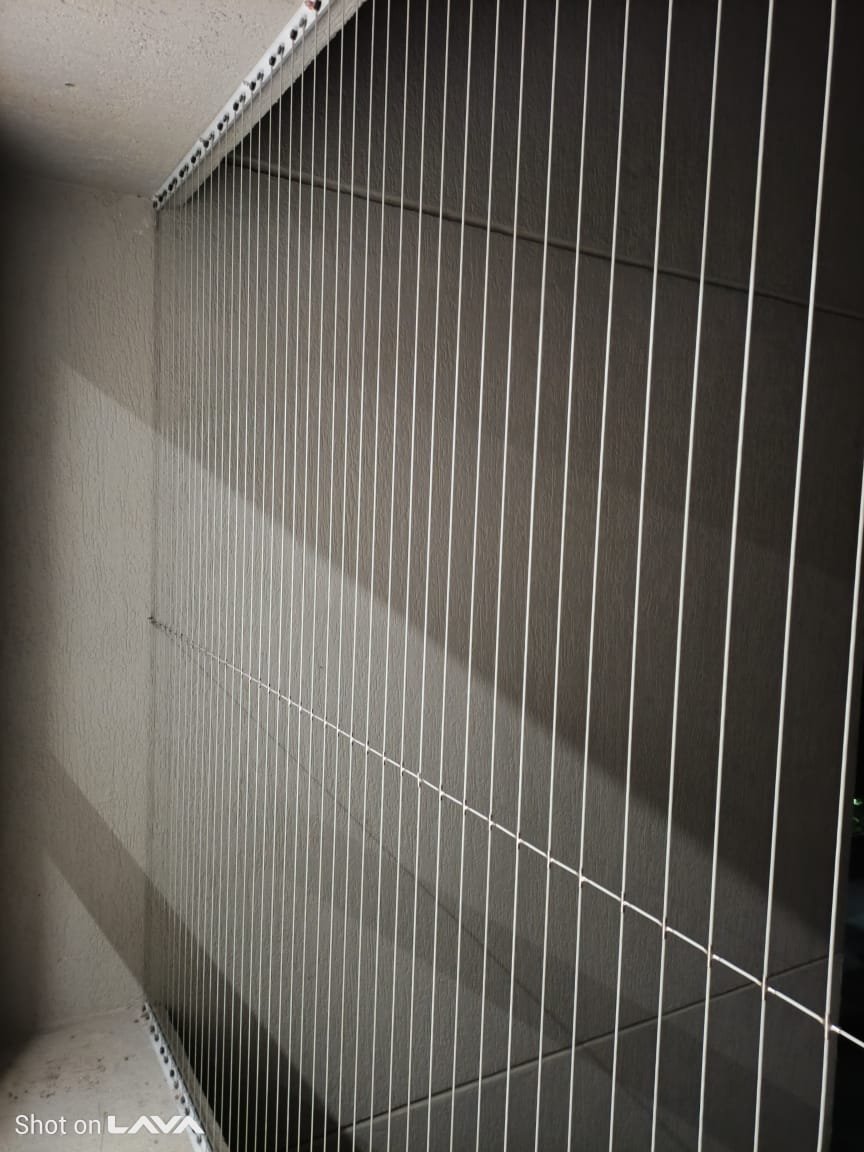
During the actual installation, trained professionals handle each step meticulously. The procedure involves securely fastening the bird netting to the designated areas, making sure that there are no gaps that could allow birds to enter. It is critical to use the right tension to avoid sagging, which could compromise the netting’s effectiveness. The technicians also ensure that the mountings blend seamlessly with the property’s aesthetic, thereby maintaining an unobtrusive appearance while ensuring functionality.
Finally, upon completion of the installation, a thorough inspection is conducted to guarantee that the bird netting is secure and effective. This professional approach adopted by Mahalaxmi Invisible Grill Services not only safeguards against bird-related issues but also ensures peace of mind for clients, knowing they have invested in a reliable solution.
Maintenance Tips for Bird Netting
To ensure the longevity and effective performance of bird netting, regular maintenance is essential. Bird netting serves as a protective barrier, preventing unwanted avian guests from entering various spaces, and consistent upkeep will enhance its durability and efficacy over time. Here are some practical maintenance tips tailored for the Pune environment.
First and foremost, routine inspections should be conducted to identify any signs of wear, tear, or damage. Inspect the nets for any holes or frayed edges, particularly after severe weather events common in Pune, such as monsoons or strong winds. Finding and addressing these issues early will prevent larger problems and ensure the netting remains effective.
Cleaning the bird netting is equally important. Dust, dirt, and debris can accumulate on the net, reducing visibility and effectiveness. To clean the nets, gently remove loose debris using a soft brush or cloth. If necessary, a mild soap solution can be applied to wash away stubborn grime. It is advisable to perform this cleaning at least once every few months, especially during the wet season, when algae or mold might develop.
An essential part of maintenance involves ensuring that the netting remains securely fastened. Over time, securing mechanisms may loosen, which can compromise the integrity of the installation. Check the fastening points regularly, ensuring that they remain intact to avoid birds gaining entry through gaps.
In case of found damages, prompt repairs are crucial. Various types of repair materials, such as adhesive patches or replacement sections, are available, allowing for efficient remedying of minor issues. By adhering to these maintenance tips, residents and businesses in Pune can maximize the effectiveness and lifespan of their bird netting solutions.
Benefits of Bird Netting in Urban Areas
Implementing bird netting solutions in urban areas offers a multitude of advantages, benefiting both property owners and the broader community. One of the primary benefits is the protection of property. Birds, particularly pigeons and other urban species, can cause significant damage through their droppings, which are acidic and corrode building materials over time. By installing bird netting, property owners can safeguard their structures, thereby extending their lifespan and reducing maintenance costs.
Moreover, bird netting plays a crucial role in maintaining hygiene. Urban environments often face challenges related to cleanliness due to bird droppings, which can attract pests and lead to unsanitary conditions. With effective bird netting solutions, residents can significantly reduce the accumulation of bird waste on rooftops, ledges, and other surfaces. This proactive measure fosters a cleaner living environment, directly contributing to improved hygiene standards within the community.
In addition to protecting property and enhancing hygiene, bird netting also aids in preserving the aesthetic appeal of urban landscapes. Unsightly droppings and nests can detract from the visual charm of buildings and public spaces. By implementing bird netting, property owners can maintain the cleanliness and attractiveness of their surroundings, ultimately enhancing the overall ambience of urban areas. This aesthetic enhancement is particularly important in a city like Pune, where numerous historical sites and modern structures coexist.
Finally, bird netting is instrumental in preserving public health. Birds are often carriers of various diseases, and their droppings can lead to health hazards for urban populations. By mitigating bird access to critical areas through effective netting solutions, the likelihood of disease transmission is significantly decreased, promoting a healthier urban environment for all residents. In summary, the benefits of bird netting in urban areas extend beyond mere property protection; they encompass aspects of hygiene, aesthetics, and public health, making it a practical solution for city dwellers.
Customer Testimonials and Case Studies
At Mahalaxmi Invisible Grill Services, customer satisfaction is paramount, and our bird netting solutions have garnered positive feedback from various clients throughout Pune. One notable case is that of a residential complex in Kalyan, where residents faced persistent problems with pigeons roosting on balconies and roofs. After installing our bird netting, feedback indicated a significant reduction in bird activity, leading to improved cleanliness and less noise disturbance. Residents expressed their gratitude, emphasizing how the solution restored the peaceful ambiance of their homes.
Another testimonial comes from a local restaurant that had previously struggled with birds invading their outdoor seating area. The management decided to implement our effective bird netting solution to create a more enjoyable dining experience for customers. Following the installation, the restaurant owner reported a marked increase in customer satisfaction, with patrons appreciating the unobstructed view free from bird droppings. The restaurant is now thriving, showcasing how our services can positively impact businesses.
Case studies illustrate a variety of successful applications of our bird netting. A prominent school in Pune contacted us due to complications arising from birds nesting on rooftops, which posed health risks for students. Upon evaluating the situation, we recommended custom bird netting fittings that effectively covered vulnerable areas. After installation, the client noted zero incidents of birds nesting on the premises, ensuring a safer environment for students and staff. Their administration praised our quick and professional service, highlighting how our installations enhance not only safety but also the school’s overall aesthetic appeal.
These testimonials and case studies reflect the real-world effectiveness of Mahalaxmi Invisible Grill Services’ bird netting solutions. As clients continue to share their positive experiences, it becomes evident that our commitment to quality and customer satisfaction remains unwavering.
Conclusion and Call to Action
In conclusion, addressing the challenges posed by birds in urban environments is crucial for maintaining cleanliness and protecting structures. Effective bird netting solutions serve as an essential barrier that not only keeps birds away from residential and commercial spaces but also minimizes the potential for damage and health hazards associated with bird droppings. Mahalaxmi Invisible Grill Services stands out as a reliable provider in Pune, specializing in high-quality bird netting installations tailored to meet the specific needs of businesses and homeowners alike.
The offerings from Mahalaxmi Invisible Grill Services incorporate advanced netting technology designed to withstand various weather conditions while being unobtrusive and aesthetically pleasing. Their commitment to quality ensures that the netting solutions not only provide effective deterrence against birds but also blend seamlessly with the existing architecture. This combination of functionality and visual appeal puts Mahalaxmi Invisible Grill Services ahead of the competition in Pune’s market for bird control solutions.
Readers interested in maintaining a bird-free environment for their properties are encouraged to take proactive measures. Engaging with the experts at Mahalaxmi Invisible Grill Services will provide you with the insight needed to assess your specific requirements. Whether you are looking for a consultation, a detailed quote, or to schedule an installation, reaching out to their dedicated team guarantees a customer-centric approach that prioritizes your needs. Don’t let birds disrupt your peace; contact Mahalaxmi Invisible Grill Services today to discuss your options and eliminate avian nuisances effectively.
More Details