Jan 15, 2026
Invisible Grills vs. Traditional Grills: A Detailed Comparison

Introduction to invisible Grills Vs traditional grills
Grills play a significant role in enhancing the functionality and aesthetics of both home security and outdoor design. In the context of home safety, grills are protective barriers that can prevent unauthorized access to buildings and property. There are two main categories of grills commonly used today: traditional grills and invisible grills. Understanding these options is essential for homeowners seeking to improve their security measures while maintaining an appealing exterior.
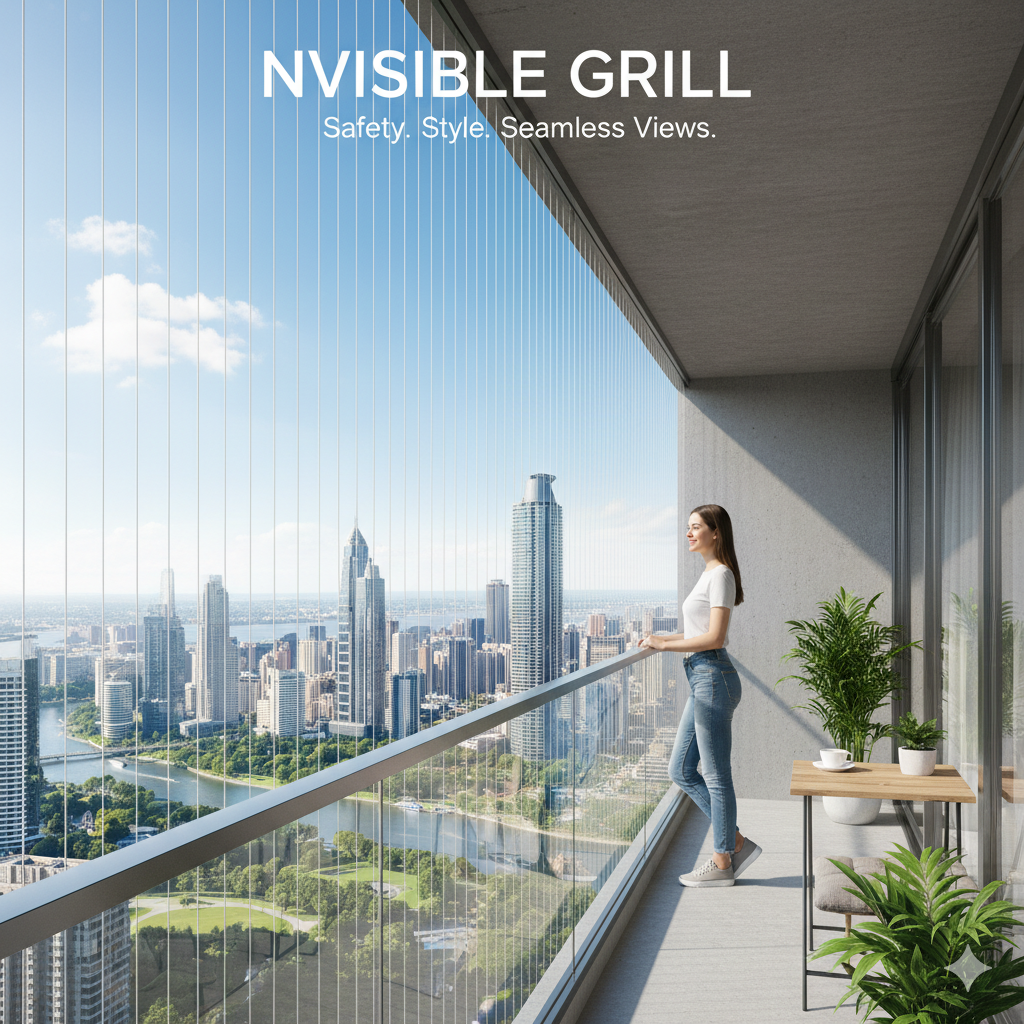
invisible Grills Vs traditional grills
Traditional grills are typically made from robust materials such as iron or steel and are designed to offer both security and visibility. These grills often feature ornate designs that can enhance the architectural appeal of a building, while effectively deterring intruders. They can be found on windows and balconies, providing a physical barrier without compromising visibility too much. However, their visibility can sometimes obstruct views and create a dated appearance depending on the design and installation.
invisible Grills Vs traditional grills
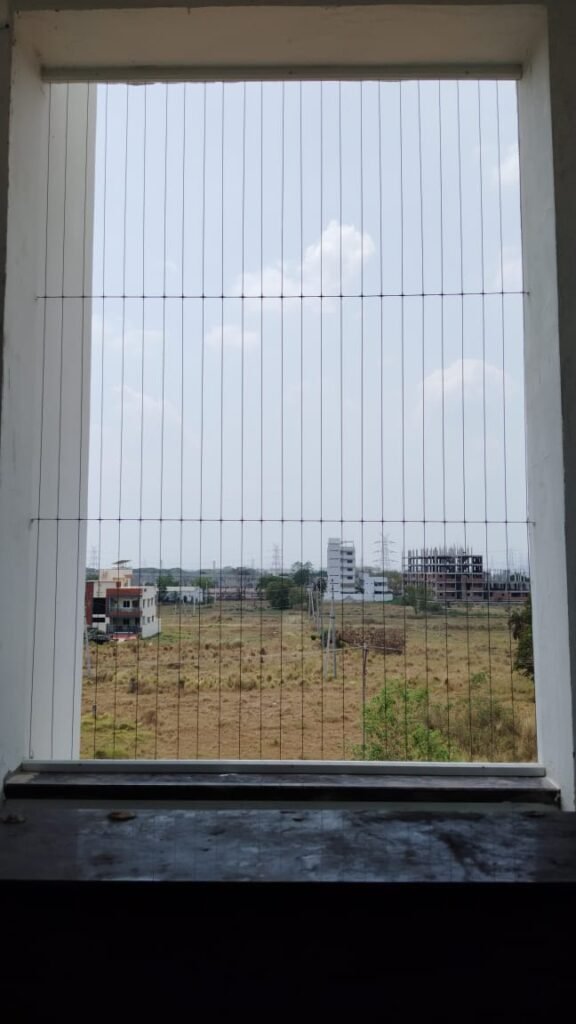
On the other hand, invisible grills have emerged as a contemporary alternative to traditional grills. Made from high-strength transparent materials, invisible grills maintain an unobstructed view while still providing a level of security. They are particularly popular in modern architectural designs where aesthetics are a priority. The main advantage of invisible grills is that they do not detract from the visual appeal of a home, allowing sunlight to penetrate while offering safety without the bulkiness associated with traditional grills.Invisible Grills Punawale strong and modern top 1| mahalaxmi invisible grill
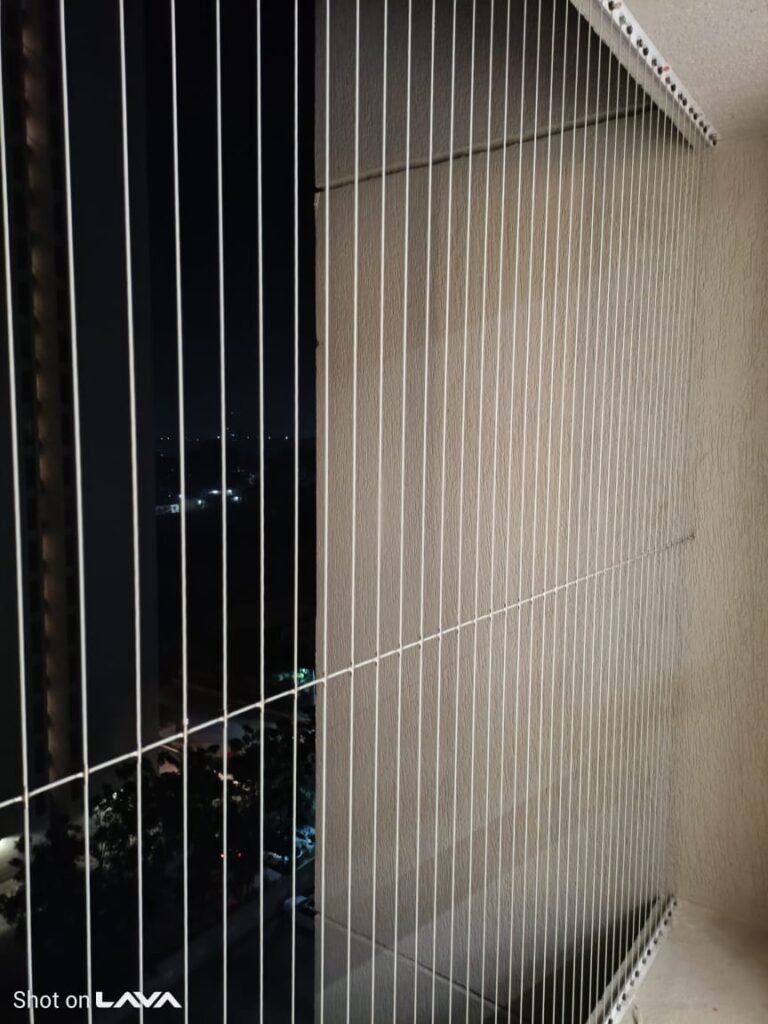
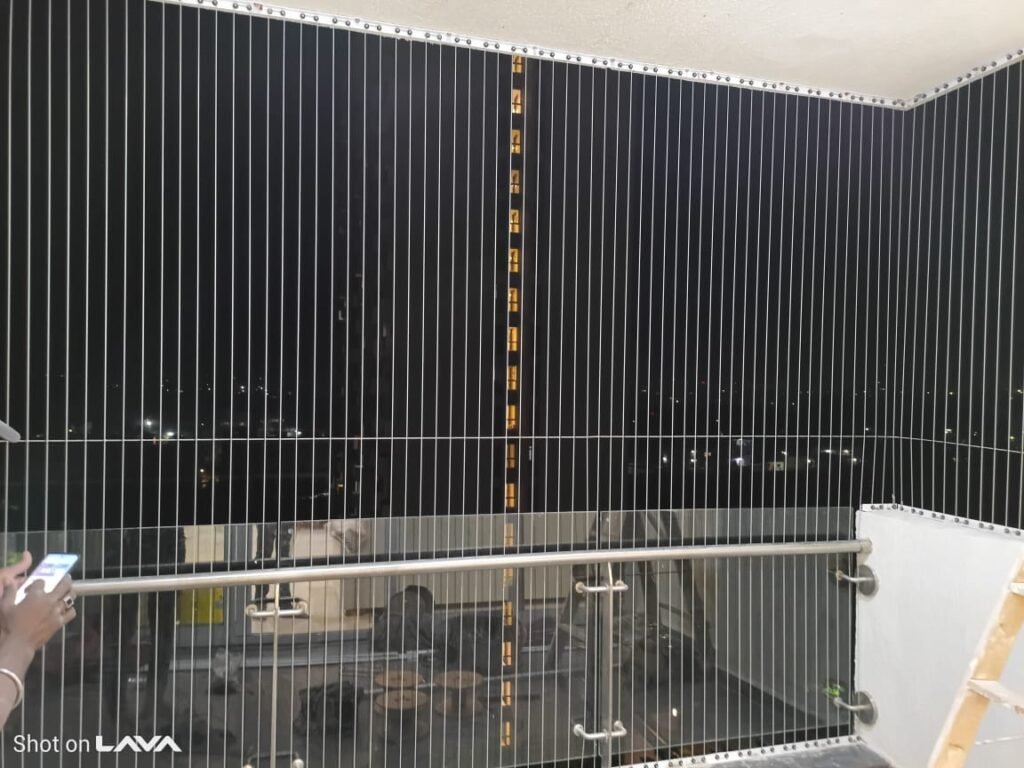
Overall, both traditional and invisible grills serve essential functions in home security. They not only protect properties from potential intruders but also add character to the architectural landscape. Choosing between them depends on individual needs, stylistic preferences, and the specific security requirements of the property in question.Invisible grill Near Me / balcony Invisible Grills
Understanding Traditional Grills
Traditional grills have been a staple in architectural design for both residential and commercial properties. Typically constructed from metal materials such as wrought iron, aluminum, or steel, these grills provide a solid barrier that is both secure and visually appealing. The installation of traditional grills often involves bolting them securely to windows, doors, balconies, or other entry points, ensuring a reliable deterrent against unauthorized access while also adding a decorative touch to the structure.
One of the notable aesthetic advantages of traditional grills is their versatility in design. They can be crafted in various styles, from intricate scrollwork to simplistic linear patterns, allowing homeowners and architects to select designs that complement the overall appearance of the building. For instance, a vintage wrought iron grill can enhance the charm of a historical home, while a sleek aluminum grill may suit a modern architectural style.
Despite their attractive appearance and functional benefits, traditional grills come with certain drawbacks. The most significant of these is visibility; while they serve as a security measure, they also obstruct views and natural light. This can be particularly detrimental for urban dwellings where openness and light are highly valued. Additionally, traditional grills require regular maintenance to prevent rust or corrosion, particularly in coastal areas where salt exposure can accelerate wear.invisible Grills Vs traditional grills
Furthermore, traditional grills can also pose safety concerns during emergencies, as their solid construction can hinder quick egress. These factors need to be taken into consideration when choosing between traditional grills and alternative solutions, such as the more contemporary option of invisible grills, which offer security without compromising views.
Exploring Invisible Grills
Invisible grills have emerged as a popular safety solution, particularly in modern architecture’s focus on both aesthetics and functionality. These state-of-the-art safety features are designed to provide a barrier without obstructing the view, achieving an unobtrusive look that appeals to home and building owners alike.
The transparent aspect of invisible grills sets them apart from traditional grills, which are typically constructed from various metal or wooden materials that can create visual clutter. Invisible grills are commonly made using high tensile strength cables or a specialized type of polycarbonate material. This design not only ensures durability but also maintains a clear line of sight, contributing to a modern, sophisticated ambiance.
One of the most significant advantages of invisible grills is their safety features. Many contemporary designs incorporate anti-cut and anti-UV properties, enhancing their effectiveness in protecting against falls, while also ensuring that the materials remain stable and resistant to environmental factors. This technology allows invisible grills to serve their purpose without compromising on safety or aesthetics.
Additionally, the installation of invisible grills is often easier and less invasive than that of traditional grills. Their design allows for a seamless integration into various architectural styles, making them suitable for both residential and commercial properties. With the growing demand for stylish yet secure solutions, it is clear that invisible grills represent a forward-thinking alternative to conventional options.
In summary, invisible grills not only offer enhanced safety and security but also elevate the visual appeal of spaces, combining functionality with modern design sensibilities. As they continue to gain popularity, understanding their unique benefits and applications becomes increasingly important in the context of contemporary living.
Key Differences Between Invisible and Traditional Grills
The debate between invisible grills and traditional grills has gained traction among homeowners and builders alike. These two types of safety solutions have distinct characteristics that make them suitable for different preferences and requirements. Understanding these key differences can guide individuals in making informed decisions about their safety installations.
Firstly, the most apparent difference lies in visibility. Invisible grills are designed to be barely noticeable, offering safety without obstructing views. In contrast, traditional grills are notably visible and can dominate a home’s aesthetics. This can be a significant factor for homeowners who prioritize the visual appeal of their living spaces.
Secondly, security features also vary between these two types of grills. Invisible grills utilize high-tensile strength materials, making them resistant to wear and tear while offering a reliable barrier against intruders. On the other hand, traditional grills, often made of steel or wrought iron, may present visible barriers but can be manipulated or damaged more easily than their counterpart.
Material durability plays a crucial role as well. Invisible grills are typically constructed from materials like nylon or stainless steel, ensuring longevity and resistance to rusting or corrosion. Traditional grills, while durable, require regular maintenance to prevent rust, particularly in outdoor settings.
Maintenance is another point of differentiation; invisible grills require minimal upkeep, often needing just a simple wash to maintain clarity. Conversely, traditional grills may require periodic repainting or rust treatment, increasing the time and costs associated with their upkeep.
Design integration is yet another aspect where these two differ significantly. Invisible grills can be seamlessly incorporated into modern architectural designs, maintaining the integrity of aesthetic values within homes. Traditional grills, however, tend to clash with contemporary designs, making them less favorable for modern homeowners.
Finally, cost implications should not be overlooked. While the initial expense of invisible grills may be higher, their longevity and reduced maintenance costs can make them a more economical choice in the long run compared to traditional grills, which might seem cheaper initially but can incur greater expenses over time.
Advantages of Invisible Grills
Invisible grills offer a range of advantages that make them increasingly popular among homeowners. One of the foremost benefits is their ability to provide unobstructed views. Unlike traditional grills, which can obstruct scenic landscapes or urban vistas, invisible grills create a minimalistic barrier that ensures the scenery remains visible. This feature enhances the overall aesthetic of any property, allowing for an uninterrupted connection with the outdoor environment.
Furthermore, the integration of invisible grills invites an abundance of natural light into living spaces. The transparency of these grills means that sunlight can flow freely, which can make rooms feel more spacious and welcoming. This enhancement in natural light can also contribute positively to the mood and well-being of the residents, promoting a healthier and more vibrant living atmosphere.
In terms of aesthetic appeal, invisible grills blend seamlessly with the property’s architecture, providing a modern look that complements contemporary designs. This stylish option can elevate the overall appearance of a home, making it more attractive to potential buyers. In addition, the sleek design of invisible grills can result in increased property value, as they are often regarded as an appealing feature in modern real estate.
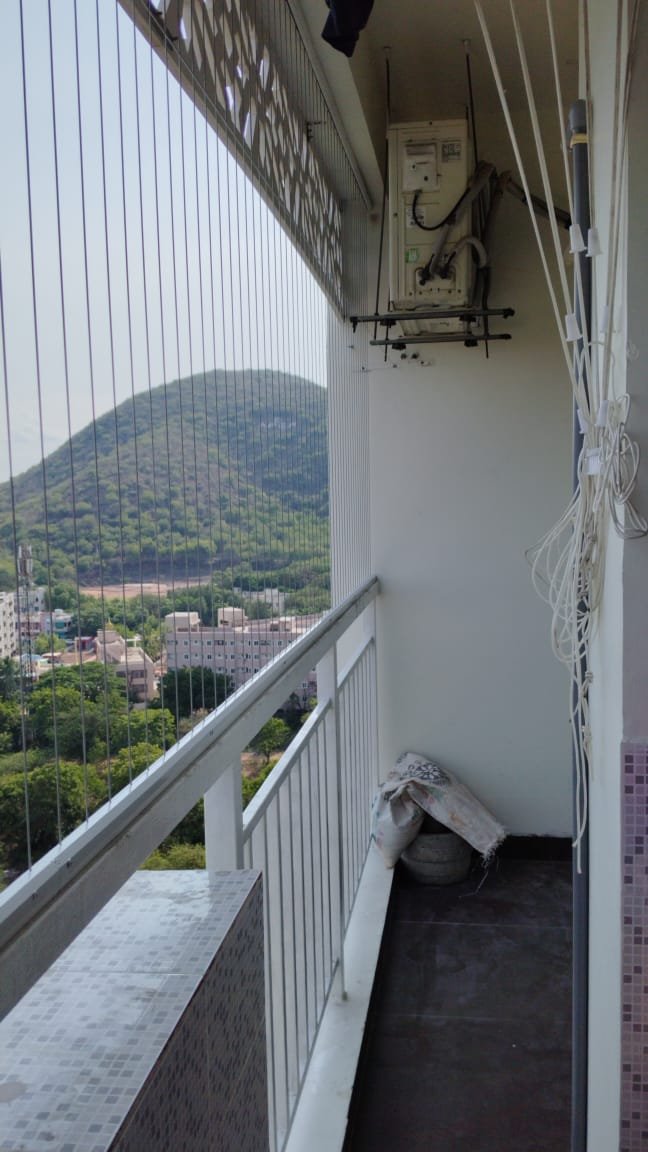
In terms of safety, invisible grills also have significant advantages for families with children and pets. They provide a secure barrier without conspicuous obstructions, ensuring that little ones and pets are safe from accidental falls without compromising the view. This feature is particularly important for homes located on higher floors, where safety is paramount.
Overall, the advantages of invisible grills over traditional grills are clear. They not only enhance the functionality and safety of a property but also contribute to its aesthetic value, making them an increasingly popular choice amongst homeowners today.
Disadvantages of Traditional Grills
Traditional grills, while commonly used for safety, exhibit a variety of drawbacks that make them less desirable in certain contexts. One of the primary disadvantages is their limited visibility. The solid bars of traditional grills obstruct views, which can detract from the aesthetics of a property. This obfuscation is particularly noticeable in urban settings where scenic vistas or architectural features are central to a home’s charm.
Alongside visibility concerns, traditional grills can present maintenance issues. Over time, these grills are susceptible to rust and corrosion, particularly in areas with high humidity or where they are exposed to harsh weather conditions. Regular maintenance is required to keep them in good condition and to prevent deterioration, making them less convenient for homeowners who prefer low-maintenance options.
Moreover, the presence of traditional grills can create an overall heavier aesthetic, which may clash with modern architectural designs that emphasize minimalism and transparency. In contemporary homes, the bulky look of standard grills can seem out of place, detracting from the sleek lines and open spaces that are often desired. This clash not only impacts the visual appeal of a home but also could potentially affect property values, as buyers may be less attracted to homes with visually intrusive safety features.
In summary, while traditional grills serve a critical safety function, their disadvantages—such as obstructing views, requiring ongoing maintenance, and a bulky appearance—make them less appealing in certain scenarios. Homeowners and prospective buyers should weigh these factors carefully when considering their options for safety barriers.
Cost Considerations
When considering the purchase and installation of safety barriers, such as grills, it is essential to evaluate both the initial costs and ongoing expenses associated with invisible grills and traditional grills. The difference in pricing can significantly influence a homeowner’s budget and their choice of product.
Initially, the cost of acquiring traditional grills tends to be lower than that of invisible grills. Traditional grills commonly made of wrought iron or aluminum may range from around $500 to $1,500, depending on the design and size required. Installation costs for these grills generally add an additional $200 to $500. Invisible grills, on the other hand, involve specialized materials and technology, often priced between $1,000 and $2,500. This higher initial cost reflects the advanced design and durability offered by invisible grills, aiming for a seamless aesthetic without compromising safety.
Long-term maintenance costs also play a crucial role in determining overall expenditure. Traditional grills can require regular paint touch-ups or rust treatment to maintain their appearance and functionality, leading to yearly costs accumulating over time. In contrast, invisible grills are designed to be low maintenance; they typically require less frequent cleaning and have a longer lifespan without the need for repainting, thereby reducing long-term financial commitments.
Various brands further complicate the cost landscape. High-end brands for invisible grills may command premium prices due to their engineering precision and warranty services. In contrast, more economical brands may offer traditional grills at a lower price point while sacrificing some features. It is advisable for potential buyers to evaluate multiple quotes and specifications to determine the best option suiting their financial situation. Considering both initial and long-term costs will provide a comprehensive understanding, allowing homeowners to make informed decisions based on their unique needs and budget constraints.
Suitability for Different Property Types
The choice between invisible grills and traditional grills largely depends on the specific needs and characteristics of different property types, including residential homes, condominiums, and commercial buildings. Each property type presents unique security and aesthetic demands, making it essential to consider these factors when selecting the appropriate grill type.
For residential homes, homeowners often prioritize both security and aesthetics. Invisible grills offer a sleek and modern appearance, allowing homeowners to enjoy unobstructed views of their surroundings while ensuring safety, particularly in urban settings where balconies pose risks for children and pets. This aspect makes invisible grills a suitable choice for homeowners who prefer contemporary designs.
In condominiums, where shared spaces and aesthetics must align with the building’s overall architecture, invisible grills can be especially beneficial. They provide necessary safety features without detracting from the architectural style of the building. Additionally, the low-profile nature of invisible grills can enhance the overall appeal of the condo, making it more attractive to potential buyers or renters.
In commercial buildings, the applicability of traditional grills versus invisible grills may vary based on the nature of the business. For establishments that require high-security measures, such as jewelry stores or banks, traditional grills might prove more effective due to their robust construction and perceived security advantage. However, many commercial spaces, particularly restaurants and cafes with outdoor seating, benefit from invisible grills that provide security while maintaining an open and inviting atmosphere for customers.
Ultimately, when assessing the suitability of invisible grills versus traditional grills, it is crucial to balance security needs with design considerations to ensure the chosen option complements the overall property style.
Conclusion and Final Recommendations
In the debate between invisible grills and traditional grills, each option presents distinct advantages and potential drawbacks. Invisible grills are celebrated for their modern aesthetic, offering unobstructed views while providing safety. Their lightweight design and ease of maintenance appeal to homeowners looking to enhance their living spaces without compromising on security or style. Conversely, traditional grills have long been valued for their robustness and structural integrity. They can effectively deter unwanted access and provide a sense of security, particularly in areas that may be prone to trespassing.
When choosing between these two types of grills, it is essential to assess personal preferences, safety requirements, and budget constraints. Individuals who prioritize innovative design may lean towards invisible grills, as they allow for a seamless integration with the overall architecture while ensuring safety. On the other hand, those who seek durability and a classic appearance might find traditional grills more aligned with their needs.
Moreover, it is important to consider the maintenance involved with each option. Invisible grills typically require less upkeep, thanks to their material composition and design, making them ideal for busy homeowners. Traditional grills may demand more regular maintenance, particularly if they are made from materials susceptible to corrosion. Ultimately, the decision should reflect not only practical considerations but also individual style and lifestyle requirements.
We encourage readers to share their experiences with invisible or traditional grills in the comments, as this interaction can provide valuable insights for others navigating this choice. By balancing aesthetics, safety, and practicality, one can make an informed decision that best suits their unique circumstances.
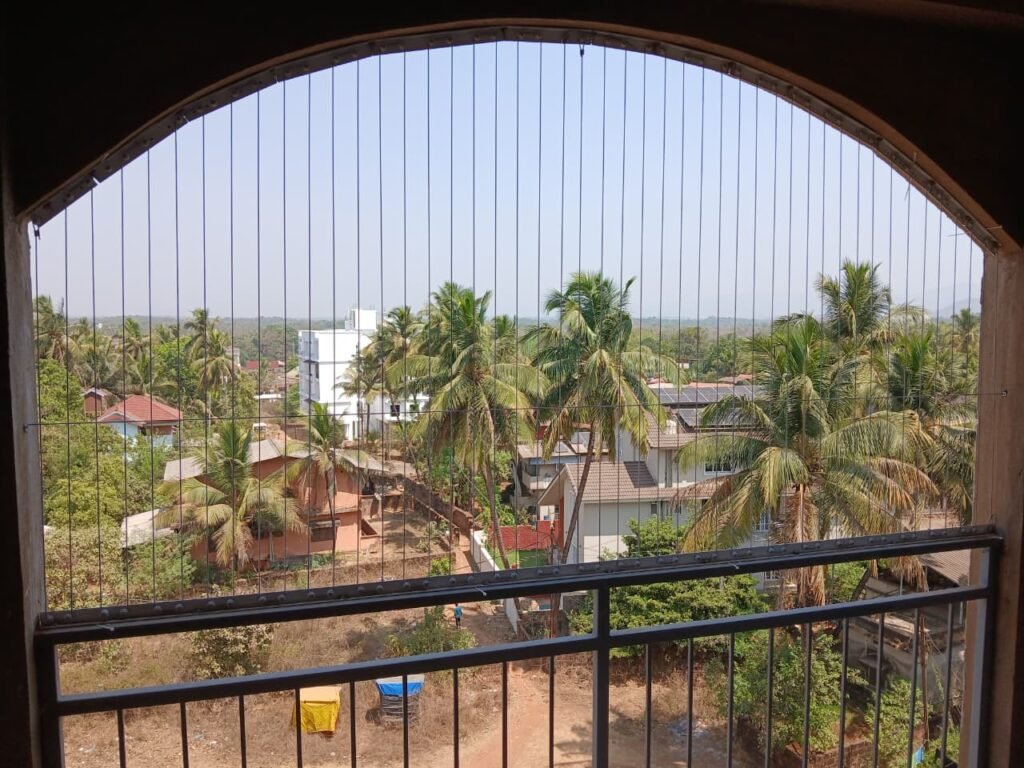
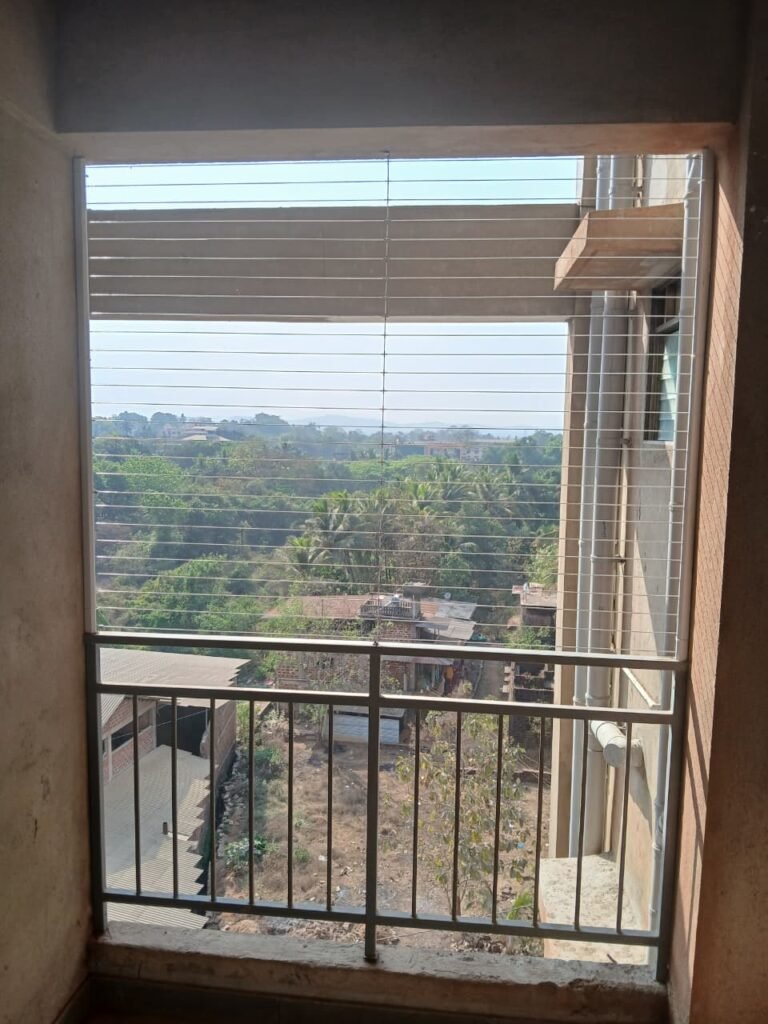
https://invisiblegrillservices.in/
More Details