Dec 15, 2025
The Rise of Invisible Grills: A Perfect Blend of Safety and Aesthetics
Introduction to Invisible Grills
Invisible grills are an innovative solution designed to blend safety and aesthetics seamlessly, aiming to protect residents while maintaining an unobstructed view. Unlike traditional grills, which are typically made of sturdy, visible bars, invisible grills utilize advanced technology, typically comprising high-tensile strength stainless steel wires that are virtually transparent. This design not only enhances the safety of homes by preventing accidental falls but also aligns with the modern architectural trends that favor open and airy spaces.
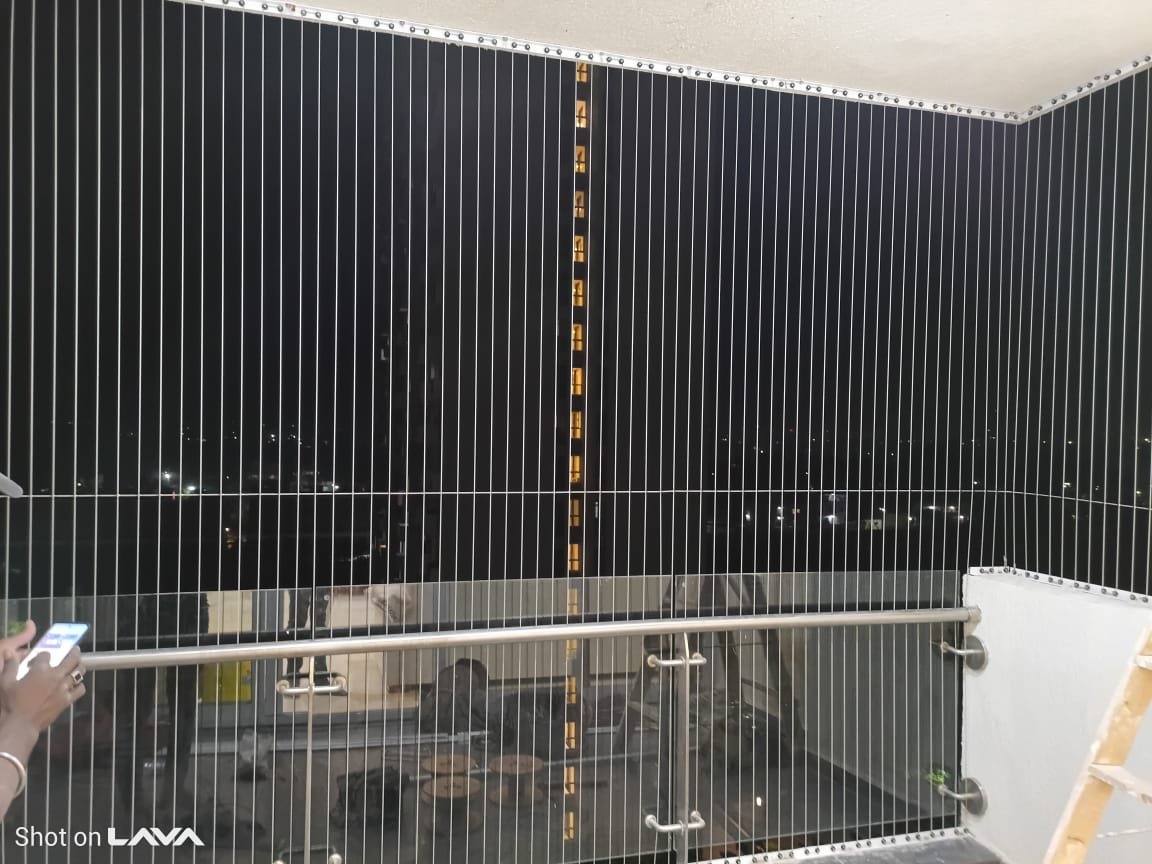
One of the primary benefits of invisible grills is their ability to provide protection without compromising the overall aesthetic of a property. Homeowners increasingly seek designs that invite natural light and breathtaking views while ensuring the safety of their family members, particularly in urban environments where apartments and high-rises dominate. Invisible grills meet this demand by offering a safety measure that is discreet yet effective, allowing for panoramic vistas from balconies and terraces.
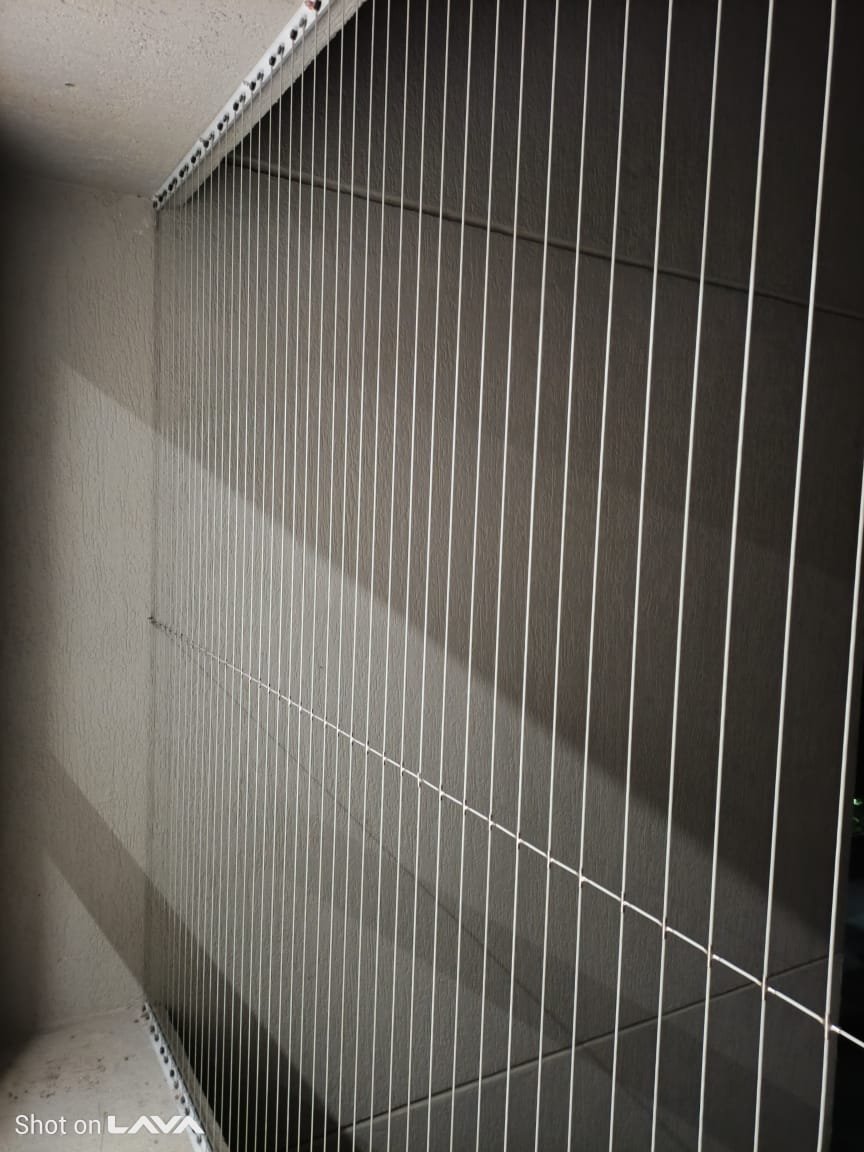
Furthermore, invisible grills present an array of customization options, catering to the individual tastes of homeowners and designers alike. Available in various configurations and colors, they can be tailored to fit different architectural styles and preferences. This flexibility makes them an attractive choice for those looking to enhance their home’s appeal without sacrificing functionality. Consequently, the rise of invisible grills reflects a growing trend in architectural design, where safety features are integrated charmfully into the fabric of the home, creating environments that are as secure as they are visually pleasing.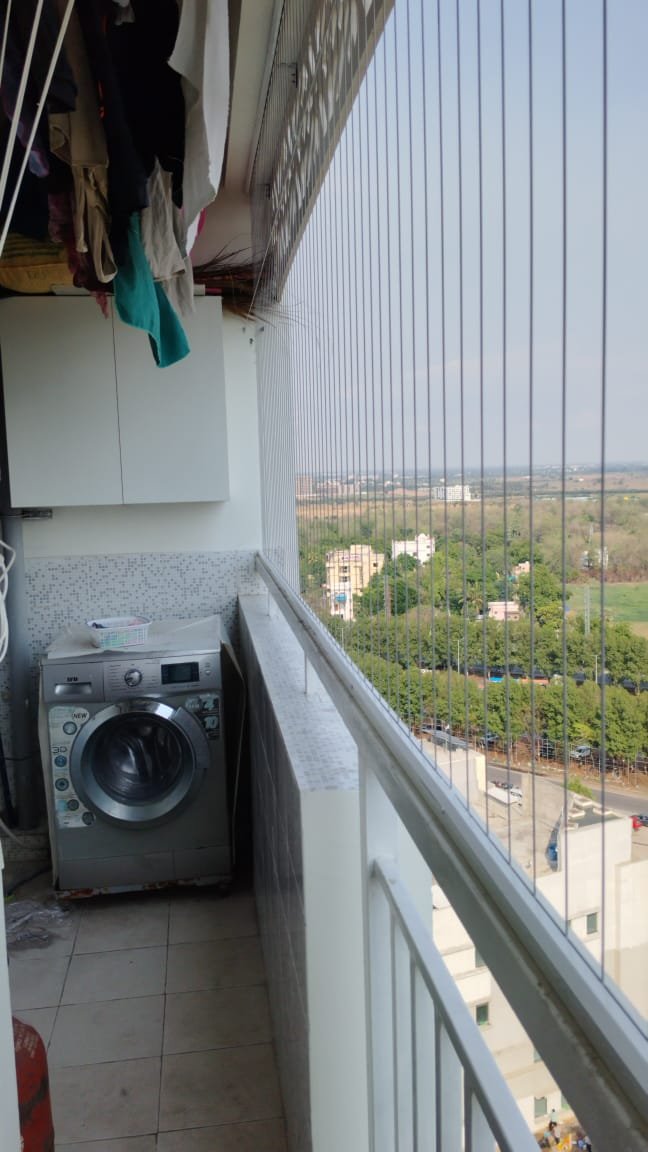
The Benefits of Invisible Grills
Invisible grills have gained popularity in recent years due to their unique combination of safety, aesthetic appeal, and practicality. One of the primary benefits of installing invisible grills is their role in enhancing safety, particularly in residential buildings that have children or pets. By acting as a protective barrier without obstructing the view, they help prevent dangerous falls from balconies or staircases, ensuring peace of mind for homeowners.
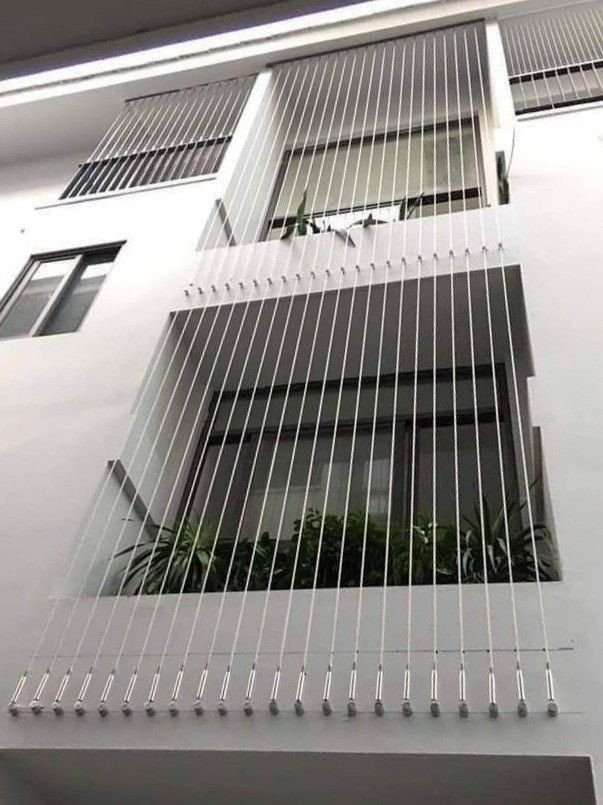
In addition to safety considerations, invisible grills offer a minimalistic aesthetic that aligns well with contemporary architectural trends. Unlike traditional grills that can visually clutter a space, invisible grills utilize fine, high-tensile cables. This design not only maintains natural lines and sightlines of the property but also provides a clean and modern look. They integrate seamlessly into both modern and traditional architecture, making them a versatile choice for a wide range of properties.
Furthermore, the maintenance requirements for invisible grills are notably low. Made from durable materials that are resistant to corrosion, these grills do not require frequent upkeep such as repainting or refinishing, allowing homeowners to enjoy their benefits without added effort. Cleaning can be done easily with basic household items, ensuring they remain functional and aesthetically pleasing over time.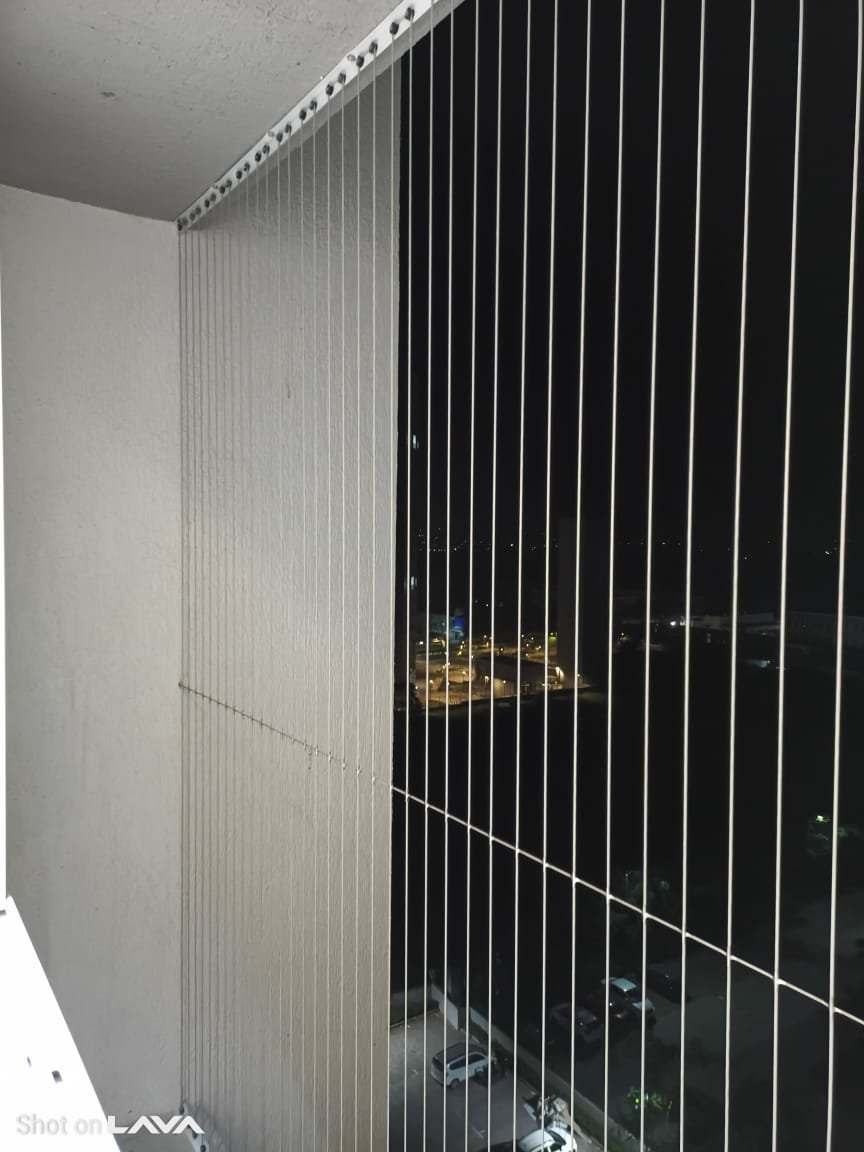
Moreover, invisible grills can significantly enhance property value and curb appeal. Homebuyers increasingly seek features that combine safety with style, and the presence of invisible grills can be a compelling selling point. Properties equipped with these innovative installations often stand out in the real estate market, potentially leading to higher appraisals and quicker sales. In essence, the advantages of invisible grills extend beyond simple safety measures, making them an attractive investment for homeowners looking to elevate both functionality and design in their living spaces.
Materials Used in Invisible Grills
Invisible grills have gained popularity for providing safety without compromising aesthetics in modern architecture. A significant factor contributing to their appeal is the materials employed in their construction. The most commonly used material for these grills is stainless steel wire, known for its exceptional durability and strength. Stainless steel wire is resistant to rust and corrosion, qualities that make it suitable for various environmental conditions. This characteristic ensures that invisible grills maintain their functionality and visual appeal over time, especially in outdoor settings.
In addition to stainless steel, high-quality polycarbonate is another material frequently used in invisible grills. Polycarbonate is a lightweight, yet robust thermoplastic known for its high impact resistance. It effectively withstands harsh weather conditions, including sun exposure, rain, and wind, which further enhances the longevity of invisible grills. When used in conjunction with stainless steel wire, polycarbonate offers a unique blend of safety and elegance, making it ideal for balconies, windows, and staircases.
The choice of these materials extends beyond their physical properties. Manufacturers often select stainless steel wire for its aesthetic appeal. The sleek and modern appearance of stainless steel complements contemporary designs, providing an unobtrusive yet secure barrier. Similarly, polycarbonate can be produced in various colors and finishes, allowing homeowners and architects to customize the look of invisible grills based on their preferences and surroundings.
Moreover, both stainless steel wire and polycarbonate are easy to clean and maintain, making them practical choices for residential and commercial applications. Their weather resistance and strength ensure they provide the necessary safety features, while their aesthetics enhance the overall design of a space. By utilizing these advanced materials, invisible grills successfully marry safety with style, making them an attractive option in modern architecture.
Installation Process of Invisible Grills
The installation of invisible grills requires careful planning and precise execution to ensure both functionality and aesthetics are preserved. Initially, accurate measurements of the balcony or window openings are critical. It is important to determine the exact dimensions to prevent gaps that could compromise safety. Measuring tools such as a tape measure, level, and square should be utilized to guarantee that the installations will be flush with the existing structures.
Once measurements have been taken, the next step involves alignment. The invisible grills must be aligned correctly with the existing frames or supports, which may necessitate adjustments for uneven surfaces. It is advisable to mark reference points on the walls or frames to guide the alignment process effectively. This ensures that the grills maintain a clean and consistent aesthetic, which is one of the primary advantages of invisible grills.
Securing the grills is the final phase of the installation process. Various securing methods can be employed, including the use of brackets, silicone adhesives, or fastenings that provide both strength and stability. Each option presents distinct advantages in terms of ease of installation and long-term durability. Ensuring that the grills are firmly secured will help protect against any external forces, thereby enhancing safety.
When considering installation, individuals have the option to either undertake a DIY project or hire professionals. DIY installation can be cost-effective but comes with challenges such as the need for specialized tools and potential difficulties in achieving the desired aesthetic. Hiring professionals often guarantees a higher quality of work and efficiency but involves a larger financial outlay. Ultimately, this decision should be influenced by the individual’s confidence in their DIY skills, availability of tools, and budget considerations.
Safety Standards and Regulations
Invisible grills have gained popularity due to their unique combination of safety and aesthetic appeal, but adherence to safety standards and regulations is paramount for their effective installation. These standards address several critical aspects such as weight-bearing capacity, spacing guidelines, and compliance with local building codes to ensure that invisible grills perform reliably without compromising safety.
Weight-bearing capacity is a crucial consideration, as the grill system should be capable of supporting external forces, such as wind loads and potential impacts. Manufacturers must provide specifications detailing the maximum load an invisible grill can withstand. It is advisable to choose products that are tested and certified, as this enhances reliability and reduces the risk of accidents caused by structural failure.
Spacing guidelines represent another important aspect of safety regulations related to invisible grills. The distance between the grill’s horizontal or vertical bars should adhere to industry standards to prevent accidental falls or entrapment. Typically, these guidelines dictate that the distance should not exceed a specified limit to ensure both the safety of people, especially children and pets, and compliance with regulations set by local authorities.
Additionally, local building codes must be considered when installing invisible grills. These codes vary by jurisdiction and can encompass specifications for materials used, installation techniques, and permissible design features. It is essential to consult local regulations to guarantee that the installation remains in compliance. Should violations occur, property owners may face fines or, in severe cases, be required to remove the installation entirely.
In conclusion, complying with the outlined safety standards and regulations is essential when installing invisible grills. This ensures not only the safety of occupants but also underscores the aesthetic appeal these unique systems provide while enhancing the overall integrity of the installation.
Maintenance Tips for Invisible Grills
Invisible grills have become increasingly popular due to their seamless design and enhanced safety features. However, regular maintenance is essential to ensure these installations remain functional and visually appealing over time. Routine cleaning plays a key role in maintaining the integrity of invisible grills. It is advisable to use a soft cloth or sponge soaked in warm soapy water to gently clean the grill surface. Avoid using abrasive cleaners or materials, as they can scratch or damage the transparent surfaces. For stubborn stains, a mixture of vinegar and water can be effective without causing harm.
Inspections should also be a routine part of invisible grill maintenance. Regularly check for any signs of wear and tear, such as frayed wires or loose fittings. It is important to inspect the installation at least once every few months, and after any severe weather events, to assess whether any components require tightening or replacement. This proactive approach can help identify potential issues before they escalate into more significant problems, ensuring both safety and aesthetics are preserved.
Handling minor repairs promptly is crucial for maintaining invisible grills. If any wear is noticed, such as a loose wire or bracket, it is advisable to tighten it immediately. For more significant repairs, particularly those involving structural components, it may be wise to consult a professional. They can ensure that any adjustments comply with safety standards and retain the aesthetic appeal of the grill. Additionally, applying protective coatings designed for use on transparent materials can help prolong the life of the grilles and maintain their visual clarity.
By following these maintenance tips, invisible grills can continue to provide safety without compromising on aesthetics, enhancing the overall look and feel of any residential or commercial space.
Comparative Analysis: Invisible Grills vs. Traditional Grills
In recent years, homeowners have increasingly opted for invisible grills as a safety solution for their properties. To fully understand this trend, it is essential to compare invisible grills with traditional grills, considering functionality, aesthetics, safety, and cost.
Functionally, both invisible and traditional grills serve the primary purpose of providing safety and security. However, invisible grills achieve this through the use of fine, transparent wires that are hardly noticeable, allowing for uninterrupted views and natural light. Traditional grills, on the other hand, rely on solid metal bars, which can obstruct sightlines and limit the flow of sunlight into a space. This difference in design means that invisible grills can enhance the overall ambiance of a home while still ensuring robust protection against falls and intrusion.
Aesthetically, invisible grills offer a modern and sleek look that appeals to contemporary design sensibilities. Their nearly invisible nature allows homeowners to maintain the architectural integrity and visual appeal of their spaces. Traditional grills, typically constructed from metal, can appear bulky and industrial, which may not complement all design styles. Consequently, many homeowners favor invisible grills for their ability to blend seamlessly into their surroundings.
When considering safety, invisible grills provide a significant advantage due to their innovative design. They are usually made from high-tensile strength materials that can withstand considerable force, offering a high level of security without compromising visibility. Traditional grills, while effective in providing a physical barrier, can be less visually appealing and restrictive, leading to a potential risk of accidents for pets and children.
Cost is another crucial factor in this comparative analysis. While the initial investment for invisible grills may be higher than that of traditional grills, many homeowners find that the long-term benefits, including reduced maintenance and enhanced property value, justify the expense. Overall, the preference for invisible grills continues to grow as they provide an ideal combination of functional safety and visual appeal.
Real-Life Applications of Invisible Grills
Invisible grills have emerged as a popular safety feature in various environments, illustrating their versatility and effectiveness. In residential settings, homeowners are increasingly installing invisible grills on balconies and terraces. This application not only enhances the safety of children and pets but also maintains unobstructed views of the surrounding landscape. Many homeowners appreciate the minimalist aesthetic offered by these grills, which allows natural light to illuminate their spaces without compromising security.
In commercial buildings, invisible grills serve a dual purpose of safety and design. For instance, restaurants and cafes often utilize these grills to create outdoor seating areas that are secure yet open to the public. By installing invisible grills on balconies or patios, establishments can provide protection without detracting from the overall ambiance. This strategic use of space enables business owners to accommodate more guests while ensuring their safety, especially in high-rise locations where traditional barriers may not be viable.
Public spaces, such as parks and playgrounds, are also benefitting from the incorporation of invisible grills. These safety features provide a secure environment for children to play, eliminating the risk of accidental falls from elevated areas like play structures. Municipalities are increasingly recognizing the potential of invisible grills to enhance the visual appeal of these public areas while ensuring compliance with safety regulations. Case studies have demonstrated that communities embracing this technology observe a positive reception from residents, contributing to a sense of security and well-being.
The adaptability of invisible grills extends to various architectural styles, demonstrating that they can complement both modern and traditional designs. As the trend continues to gain traction, it is evident that invisible grills are becoming an essential element in balancing safety with aesthetic appeal, catering to diverse applications across residential, commercial, and public spaces.
Future Trends in Invisible Grills
As architects and designers increasingly prioritize both safety and aesthetics, the invisible grill market is witnessing significant advancements that promise to reshape the landscape of architectural design. One of the most notable trends is the integration of smart technology into invisible grills. Automated systems equipped with sensors can detect human presence and adjust their tension accordingly, enhancing safety without compromising the visual appeal. These innovations are becoming increasingly attractive for both residential and commercial properties, as they contribute to a seamless blend of form and function.
Another emerging trend is the use of eco-friendly materials in the manufacturing of invisible grills. Manufacturers are exploring alternatives that not only ensure durability but also reduce the environmental footprint. This shift towards sustainability aligns with the growing demand for green building materials and reflects the broader movement within the construction industry to adopt environmentally responsible practices. Such materials can include recycled metals or biodegradable composites, presenting homeowners and businesses with sustainable and stylish options.
Additionally, customizable designs are gaining popularity. Homeowners and architects are looking for invisible grills that can be tailored to specific architectural styles and personal preferences. This trend reflects a broader consumer desire for personalization in home design, allowing invisible grills to serve as visual enhancements rather than mere safety features. From various colors to different finishes, the options are expanding, enabling the integration of these grills into diverse settings, from modern urban environments to traditional homes.Introduction to Invisible Grills near me in Pune
The evolution of invisible grills also extends to their applications beyond residential buildings. They are increasingly being installed in public spaces such as parks, balconies, and commercial complexes. This diversification opens new avenues for manufacturers, indicating that the future of invisible grills is not only promising but also versatile, meeting the diverse needs of modern architecture.
More Details