Feb 13, 2026
Understanding Invisible Grill: A Modern Solution for Home and Safety
Introduction to Invisible Grill
Invisible grill represent a contemporary safety solution designed to enhance the security of residential and commercial properties while maintaining an unobstructed view. These innovative barriers are constructed from ultra-strong stainless steel wires that are virtually undetectable, effectively offering the illusion of an open space. Unlike traditional grills, which often use bulky and visually intrusive designs, invisible grills are engineered to blend seamlessly into their surroundings.
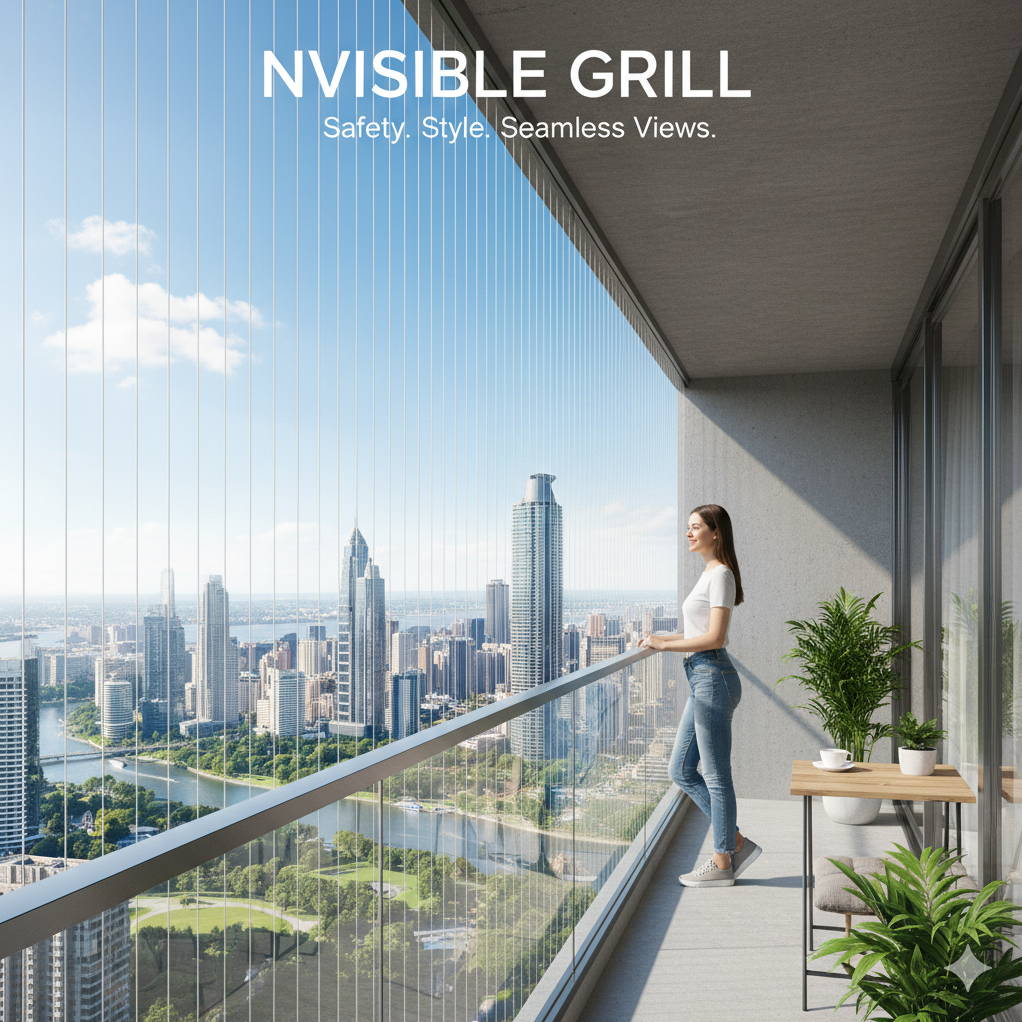
The primary function of invisible grills is to prevent accidental falls, particularly in high-rise buildings and homes with balconies or open spaces. Their design prioritizes safety without compromising aesthetics. This modern solution allows homeowners to enjoy the scenic views and natural light unobstructed, a quality that is particularly crucial in urban environments, where limited space often leads to a design compromise. With their sleek appearance, invisible grills have become increasingly popular among architects and designers who wish to implement safety features without detracting from the overall design of a building.
As urban living spaces continue to grow in density, the demand for stylish yet functional safety barriers is more pronounced than ever. Homeowners and property developers alike are turning to invisible grills not just for their safety benefits, but also for the aesthetic appeal they bring to modern architecture. The increasing acceptance of these fixtures indicates a shift in design philosophy where safety and beauty coexist harmoniously. Overall, invisible grills represent a significant advancement in safety technology, offering homeowners peace of mind while enhancing the visual appeal of their spaces.
The Benefits of Using Invisible Grills
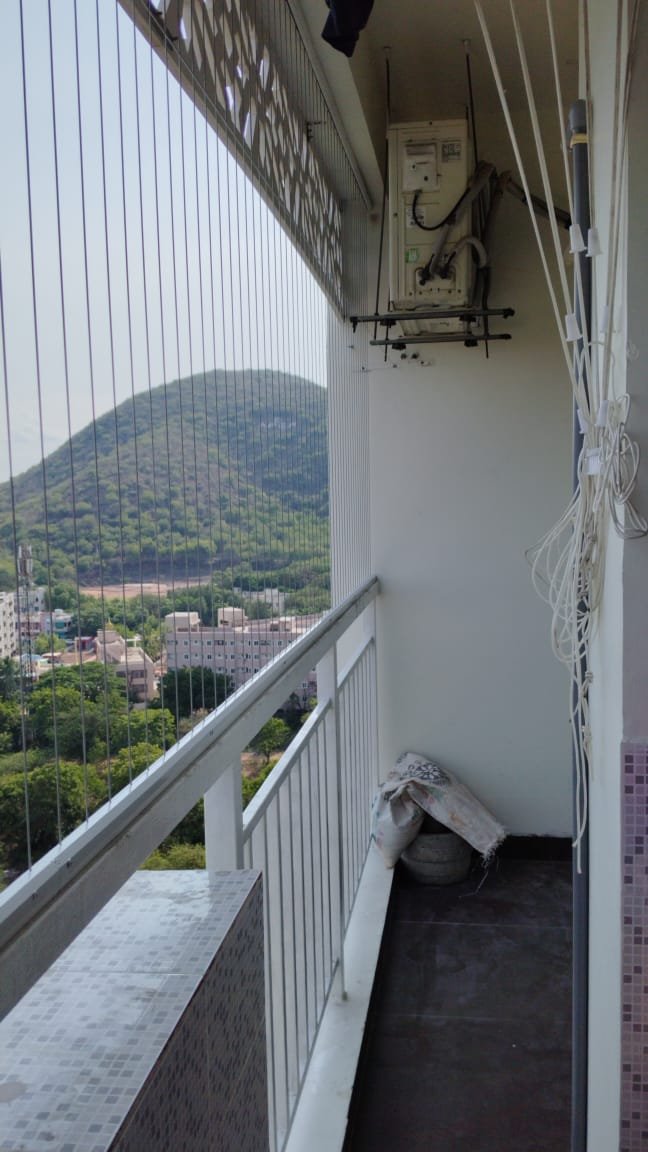
Invisible grills offer a modern solution that not only enhances the aesthetics of a home but also provides significant advantages in terms of safety and practicality. One of the primary benefits of invisible grills is their ability to maintain unobstructed sightlines. Unlike traditional grills that can be bulky or obstructive, invisible grills are designed to blend seamlessly with the architecture of a building, allowing for an unobstructed view of the surroundings. This feature is particularly appealing for homeowners who value both safety and aesthetics.
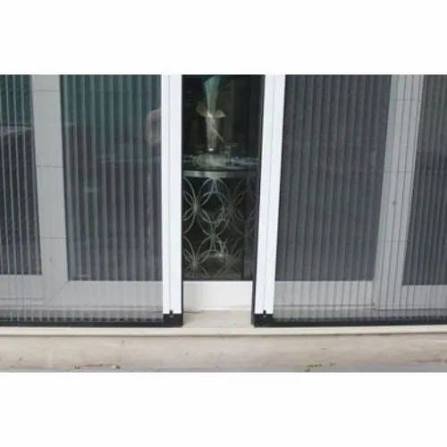
Another compelling benefit is the enhanced safety they provide for children and pets. Invisible grills act as a barrier without compromising the view, ensuring that children and pets remain safe indoors while still allowing for visibility to the outside. This aspect of safety is crucial for families living in high-rise buildings, where falls from a significant height can be particularly dangerous. Testimonials from homeowners often emphasize the peace of mind that comes with installing these systems, allowing parents to relax while their children play nearby.
Mahalaxmi INVISIBLE GRILL SERVICES
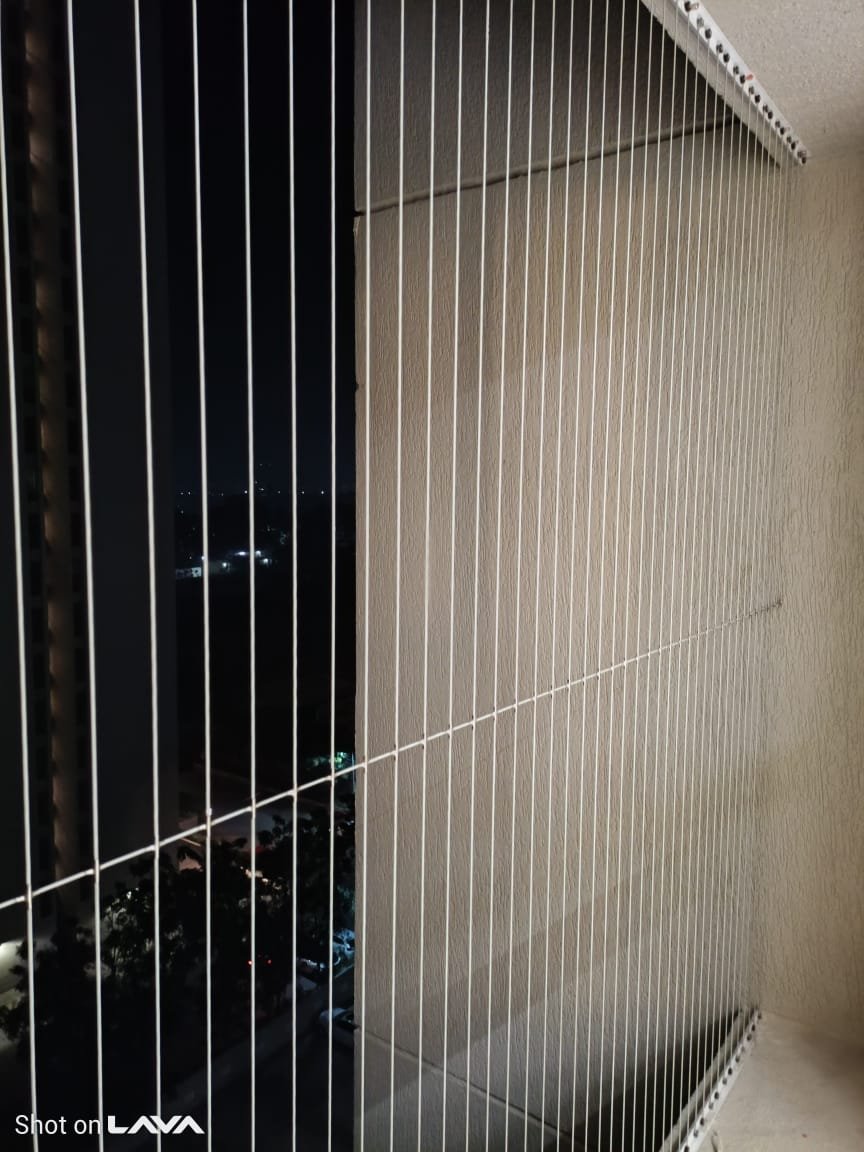
Furthermore, invisible grills exhibit excellent weather resistance, making them a reliable choice for various climates. Unlike traditional metal grills that may rust or corrode over time, invisible grills are typically made from durable materials that can endure the elements. This feature not only enhances their longevity but also leads to reduced maintenance costs, as homeowners do not have to invest time and resources into regular upkeep.
Real-life examples illustrate how these grills have transformed outdoor spaces. Homeowners have reported a significant decrease in maintenance, paired with the aesthetic appeal that invisible grills bring. The benefits of visible safety, maintenance ease, and aesthetic enhancement make invisible grills a worthwhile investment for many homeowners.
How Invisible Grills Work
Invisible grills are a contemporary solution designed to enhance both safety and aesthetics in residential and commercial spaces. Their structure primarily involves the use of high-tensile stainless steel cables or wires, which are selected for their strength, durability, and corrosion resistance. These materials are pivotal in ensuring that the grills maintain their integrity over time while providing an unobstructed view.
The installation of invisible grills is a meticulous process that requires precise measurements and alignment. Typically, these grills are anchored to the walls or existing structural supports, distributing tension evenly across the installation. This tension is a key feature that allows the grills to withstand significant force while remaining virtually invisible. The spacing between the cables is carefully calculated to prevent any accidents while still allowing for maximum visibility.
The mechanics of visible safety are ingeniously simple. The sheer design of invisible grills creates a barrier that does not compromise the appearance of open spaces. This seamless integration into the architecture retains the aesthetic appeal of balconies, staircases, and windows, while still functioning effectively to protect from falls or unwanted intrusions. Additionally, the lack of bulky frames means that natural light can flood through, enhancing the environment without the claustrophobic feel that traditional grills often impose.
For better comprehension of how invisible grills operate within various settings, utilizing diagrams or videos can be beneficial. These visual aids can illustrate the tension mechanics and the installation process, highlighting their effectiveness in ensuring both security and unobstructed views. The combination of advanced materials and innovative installation techniques positions invisible grills as a modern solution tailored to contemporary safety needs.
Types of Invisible Grills Available
Invisible grills have gained significant traction as a modern safety solution for homes, offering an unobtrusive barrier that provides both security and aesthetic appeal. The types of invisible grills available in the market can be categorized into two primary designs: fixed and retractable. Each type presents its own set of advantages and disadvantages, catering to varying needs and preferences.
Fixed invisible grills are permanently installed and typically made of high-quality stainless steel or durable nylon materials. They are designed to withstand significant force, offering robust protection without sacrificing visibility. Fixed grills are ideal for areas that require constant safety measures, such as balconies or windows in high-rise buildings. Due to their non-retractable nature, they often come at a higher price point due to the materials used and the level of security they provide.
On the other hand, retractable invisible grills offer flexibility, allowing homeowners to open and close the barrier as needed. These grills utilize a pulley system or a roller mechanism that permits easy retraction when not in use, making them suitable for spaces requiring occasional openness, such as terraces or patios. While they are generally more affordable than fixed grills, retractable designs may not offer the same level of strength and durability, necessitating regular maintenance to ensure proper function over time.
In terms of material quality, invisible grills are available in variations ranging from the highly durable stainless steel to lightweight and cost-effective nylon options. The choice of material often reflects the desired balance between strength, appearance, and price. Consumers should carefully assess their specific requirements when selecting among the diverse options available in the market, ensuring that their chosen design aligns with both safety needs and aesthetic preferences.
Installation Process of Invisible Grills
The installation process of invisible grills involves several steps, beginning with precise measurements. Before installation, it is essential to assess the dimensions of the area where the invisible grills will be installed. This includes taking note of the height, width, and any particular features or obstacles that may affect the placement. Accurate measurements ensure that the grills fit seamlessly into the intended space, providing optimal protection without compromising aesthetics.
Once measurements are taken, the next step is to select the appropriate type of invisible grill. Numerous options are available based on the specific needs and preferences of the homeowner. Whether a DIY enthusiast opts to tackle the project independently or chooses to hire a professional installer, understanding the specific type of grill system is crucial. For those willing to undertake the installation on their own, comprehensive guides and tutorials are widely accessible, detailing the procedures and tools required.
However, for homeowners who may find the installation process challenging, it is advisable to engage professional services. When choosing a reliable installer, consider their experience, customer reviews, and past projects. It is also beneficial to request quotes from multiple companies to ensure competitive pricing. Additionally, ensure that the installer is knowledgeable about local safety regulations, as this informs the installation process.
Once an installer is chosen or if proceeding with a DIY project, the installation process generally involves mounting brackets, securing the cables, and fastening the grills to the frame. Depending on the product, additional sealing or painting may be necessary for a clean finish. Completing this process will leave homeowners with an aesthetically pleasing and effectively functioning invisible grill system.
Maintenance and Care for Invisible Grills
When investing in invisible grills, proper maintenance is essential to ensure their longevity and functionality. Regular care not only preserves their appearance but also addresses potential issues like corrosion. Invisible grills, often made from stainless steel or high-strength materials, require a different approach to upkeep compared to traditional grills.https://invisiblegrillservices.in/
Firstly, routine cleaning is vital. Homeowners should use mild soap and warm water along with a soft cloth or sponge to gently clean the surfaces of the invisible grill. Avoid using abrasive materials, as they may scratch or damage the finish. It is beneficial to clean these grills at least once a month to prevent dirt buildup and maintain their clarity.
In addition to regular washing, it is important to conduct periodic inspections for signs of wear, such as loose fittings or corroded areas. Early detection of such issues can prevent more severe damage and ensure the safety of the structure. If corrosion is noticed, a suitable rust inhibitor can be applied to the affected areas to mitigate further deterioration.
Furthermore, homeowners should pay attention to environmental factors that could affect the grill’s material. For instance, areas near saltwater environments may experience accelerated corrosion. In such cases, a more frequent cleaning schedule may be necessary, as well as the application of protective coatings suitable for high-moisture conditions.
Lastly, if any issues arise beyond minor wear and cleaning, consulting with a professional specializing in invisible grills is recommended. They can provide expert guidance and service, ensuring that the invisible grill remains a safe and functional feature of the home.
Invisible Grills in Various Settings
Invisible grills have gained popularity as a modern safety solution in numerous environments, demonstrating versatility and effectiveness across a range of applications. In residential homes, particularly those with balconies or staircases, these installations provide a seamless barrier that ensures safety without obstructing views. Homeowners appreciate the unobtrusive nature of invisible grills, as they maintain the aesthetic appeal of their living spaces while enhancing security.
For high-rise buildings, where safety is paramount due to height considerations, invisible grills serve as an innovative safety feature. Many architects and builders are incorporating these grills into their designs to comply with safety regulations while allowing for breathtaking skyline views. In these urban settings, invisible grills exemplify how functionality can merge with contemporary design, proving particularly beneficial in communal balcony areas.
Commercial establishments, such as restaurants and cafes, have also embraced the use of invisible grills. For instance, an outdoor dining area equipped with invisible grills not only ensures the safety of patrons but also allows for an open-air experience without barriers that detract from the ambiance. Moreover, in retail environments, invisible grills can protect products displayed near open spaces or walkways, allowing businesses to showcase merchandise safely.
Success stories abound, with many users reporting peace of mind since the installation of invisible grills. From ensuring children and pets are safe in residential spaces to safeguarding customers in commercial venues, the applicability of these features is evident. This adaptability highlights the functional aspects of invisible grills while maintaining visual integrity and comfort in various settings. Ultimately, their implementation illustrates a forward-thinking approach to safety and design in contemporary living and working spaces.
Cost Considerations for Invisible Grills
When contemplating the installation of invisible grills, it is essential to understand the various costs involved to make an informed decision. The expenses associated with invisible grills can vary significantly based on factors such as material choice, size, and labor. These elements play a crucial role in determining the overall budget for this safety investment.
One of the primary factors influencing the cost is the material used for the invisible grills. Generally, these grills are made from stainless steel, nylon, or other durable materials. Stainless steel tends to be the more expensive option due to its longevity and resistance to corrosion. Depending on the grade and finish, prices can vary, with high-quality stainless steel options starting from $30 per linear foot and potentially exceeding $100 per linear foot for premium versions. Nylon options, while typically less expensive, offer different aesthetic and functional qualities and can range from $15 to $50 per linear foot.
The size and area to be covered also greatly influence costs. Larger openings or custom shapes require more materials and potentially more intricate installation techniques, raising the total price. Technically, prices can range from $500 for smaller installations to over $2500 for larger or more complex projects.
Labor costs are another critical component, as professional installation is generally recommended for ensuring safety and proper functionality. Labor prices can vary based on geographical location and the complexity of the install, usually ranging from $100 to $300 for smaller projects, while larger installations may incur costs upwards of $1000.
Overall, budgeting for invisible grills should consider these factors to ensure an investment that enhances both safety and aesthetics in residential or commercial settings.
Conclusion: Are Invisible Grills Right for You?
Invisible grills have emerged as a popular choice for enhancing the safety and aesthetics of homes and businesses. As discussed, these modern safety solutions combine functionality with a sleek, transparent design, making them an attractive option for property owners. Their primary benefits include maintaining unobstructed views and maximizing natural light while effectively deterring unwanted access. This dual advantage can be incredibly appealing, particularly for urban dwellings where open spaces are limited.
When considering the installation process, it is important to recognize that the expertise of professionals plays a significant role in achieving the desired outcomes. Proper installation ensures durability and efficacy, meaning it is critical to engage qualified technicians who will follow manufacturer guidelines. Likewise, the cost associated with invisible grills can vary based on materials and installation complexity. While these safety features might require a more significant initial investment compared to traditional options, many find that the long-term advantages justify the expense.
Maintenance is another pivotal factor. Regular upkeep can prolong the life of invisible grills, ensuring they remain functional and visually appealing. Homeowners should familiarize themselves with the recommended maintenance routines to ensure their investment remains sound over time. However, the relatively low maintenance requirements of invisible grills, compared to other security measures, often work in their favor.
As you reflect on the potential installation of invisible grills in your property, consider the unique needs of your space. Are aesthetic appeal and safety equally important to you? Do you have the budget for initial investment and ongoing maintenance? By carefully weighing these considerations, you can determine if invisible grills are indeed right for your home or business, leading to informed and confident decision-making.
More Details